
Protecting Delicate Fabrics: Silk and Wool Care
Ironing delicate fabrics is a high-stakes task that requires precision, patience, and an understanding of fiber science. Silk and wool are protein-based fibers that react poorly to excessive heat and direct contact with a hot metal plate. Understanding the thermal thresholds of these materials is the first step in preventing scorched fibers and permanent shiny marks.
Optimal Temperature Settings
For both wool and silk, low-to-medium heat is non-negotiable. Using a steam iron requires specific caution to ensure moisture doesn’t create water spots or uneven shrinkage.
- Silk Care: Always iron on the reverse side while the fabric is slightly damp. Use a pressing cloth to act as a thermal buffer between the iron and the delicate weave.
- Wool Care: Never press wool directly. Use a heavy steam setting but keep the iron hovering slightly above the surface, or use a damp cotton towel to facilitate “steaming” rather than “pressing.”
Ergonomic Ironing: The Golden Rule for Board Height
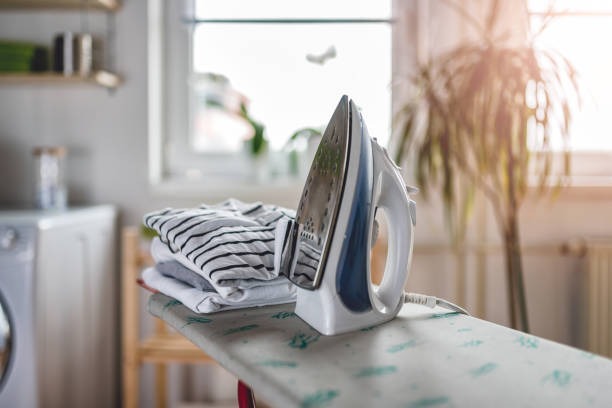
Many household injuries and chronic back pains stem from poor posture during repetitive tasks like ironing. The “Golden Rule” for ergonomics is to align the ironing board height with your elbow level. When your board is too low, you are forced to hunch, placing excessive strain on the lumbar spine. When it is too high, your shoulders remain elevated, leading to upper back and neck tension.
Measuring Your Ideal Height
To determine the correct height, stand upright with your arms relaxed at your sides. Bend your elbow at a 90-degree angle; the ironing board surface should be approximately 3 to 4 inches below your elbow. This allows for a comfortable range of motion without requiring you to lean into the work.
| User Height | Recommended Board Height |
|---|---|
| Under 5’4″ | 30-32 inches |
| 5’4″ to 5’10” | 33-35 inches |
| Above 5’10” | 36+ inches |
Teaching Children Ironing Safety
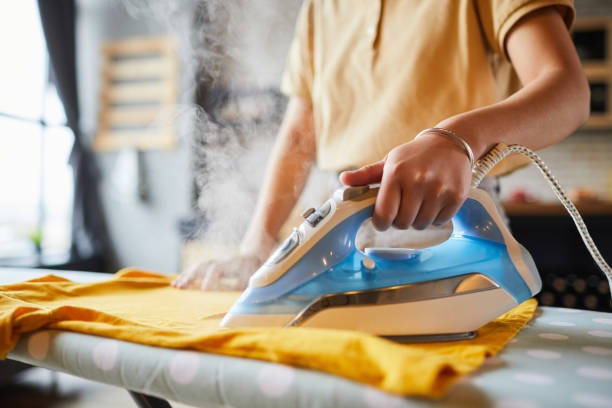
Ironing is a life skill that fosters responsibility and precision. However, the presence of extreme heat and heavy appliances necessitates a structured pedagogical approach. Before allowing a child to handle an iron, they must demonstrate an understanding of the “hot zone” and the mechanics of the ironing board.
Step-by-Step Skill Progression
Start by teaching the child about the iron’s controls without plugging it in. Let them practice the hand movements and the importance of keeping the cord clear of the workspace.
- Phase 1: The Cold Practice: Allow the child to iron a heavy fabric (like a towel) with a cold iron to learn the proper pressure and sweeping motion.
- Phase 2: Supervised Heat: Introduce heat only once the child understands that the iron must never be left face-down on the fabric.
- Phase 3: Autonomous Ironing: Once they demonstrate consistent awareness of safety protocols, allow them to iron simple items like pillowcases under your supervision.
Frequently Asked Questions (FAQ)
- Q1: How do I remove a shine mark from wool?
- If you accidentally create a shine mark, try lightly steaming the area and brushing the fibers upward with a soft-bristled brush. This often lifts the compressed fibers back to their original state.
- Q2: Is it safe to iron silk on the highest setting?
- Absolutely not. Silk fibers can melt or scorch at high temperatures. Always use the ‘Silk’ setting on your iron or the lowest temperature possible.
- Q3: How can I prevent back pain if my ironing board doesn’t adjust high enough?
- If your board is fixed at a low height, consider using a high-quality, stable stool. Ironing while seated can significantly reduce the load on your lower back, provided you maintain a neutral spine.
- Q4: What is the most important safety rule for kids?
- The primary rule is the “Iron-to-Base” rule: the iron must be returned to its heel or base immediately after each movement. Never leave it resting on the fabric, even for a few seconds.