
Understanding the Core of an Ironing Board: The Surface
The ironing surface is the most critical component of any ironing board. It’s where the magic of wrinkle removal happens. A high-quality surface is not just about size, but also about its construction and material. The ideal surface provides a firm, smooth, and heat-resistant base that allows steam to pass through effectively without damaging the board itself.
The Importance of a Breathable Surface
A breathable surface, often achieved through a mesh or perforated metal design beneath the padding, is crucial for efficient ironing. This design allows steam generated by your iron to escape downwards, preventing moisture buildup. Excessive moisture can lead to damp clothes, mildew, and even damage to the ironing board’s internal structure over time. It also helps in achieving crisper creases and a more professional finish on your garments.
Material Matters: Padding and Cover
The padding and cover are the direct contact points for your clothes. High-density foam padding offers a resilient surface that conforms to the fabric without creating indentations that can transfer to your clothes. The cover should be made of durable, heat-resistant material like cotton or a cotton blend, ideally with a scorch-resistant coating. A well-fitting cover, often secured with a drawstring or elastic, ensures a smooth, wrinkle-free ironing experience.

The Backbone of Stability: Frame and Legs
The frame and legs of an ironing board are responsible for its stability and durability. A wobbly ironing board is not only frustrating to use but also a safety hazard. The materials used, the design of the leg structure, and the quality of the joints all contribute to its overall robustness.
Material Strength and Design
Most quality ironing boards are constructed with steel frames, offering excellent strength and longevity. The legs should be wide-set and designed to provide a stable base on various floor surfaces. Look for features like non-slip caps on the feet to prevent accidental slips and protect your flooring. The mechanism for opening and closing the board should be smooth and secure, locking firmly in place when in use.
Adjustability for Ergonomics
An adjustable height feature is paramount for ergonomic ironing. Being able to set the board to the correct height significantly reduces strain on your back and shoulders, making the chore more comfortable. Most adjustable boards offer multiple height settings, allowing users of different statures to find their optimal working level. This feature transforms ironing from a potentially painful task into a more manageable one.
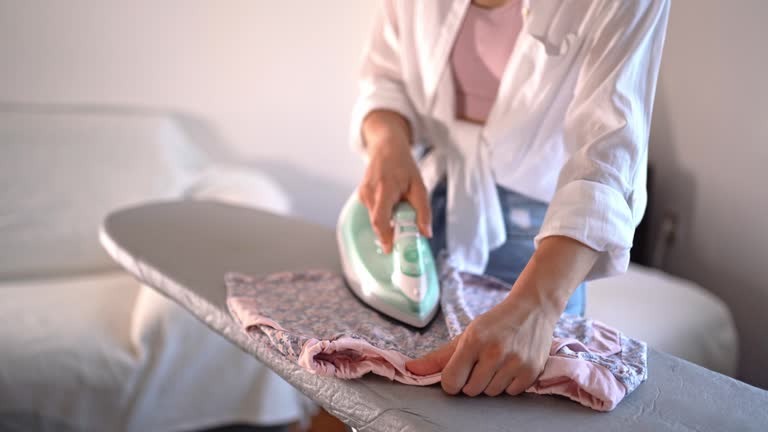
Beyond the Surface: Essential Features and Accessories
While the surface and frame are foundational, several other features and accessories can elevate an ironing board from functional to exceptional. These elements are designed to enhance efficiency, convenience, and safety during the ironing process.
Integrated Iron Rest
An integrated iron rest is a safety and convenience feature that provides a secure place to rest your hot iron when you’re adjusting garments or taking a short break. These rests are typically heat-resistant and designed to prevent accidental tipping. Some are designed to be placed at the end of the board, while others might be a fold-out component. This feature is crucial for preventing burns to the board cover and for overall user safety.
Garment Hanger Attachments
Some advanced ironing boards come with built-in garment hanger attachments or slots. These allow you to hang freshly ironed shirts or blouses immediately after ironing, preventing them from becoming wrinkled again before they are put away. This is particularly useful for delicate fabrics or for those who iron large quantities of clothing.
Cord Holder/Antenna
A cord holder or antenna is a small but significant feature that keeps the iron’s power cord out of your way. It prevents the cord from snagging on the board or your clothing, leading to a smoother ironing experience and reducing the risk of burns or damage. This simple addition can greatly improve maneuverability and reduce frustration.
Pro Tips for Maximizing Your Ironing Board Experience
To get the most out of your ironing board, consider these expert tips:
- Always ensure your ironing board is on a stable, level surface before you begin.
- Check the padding and cover regularly for wear and tear. Replace them when they become thin or damaged to protect your clothes.
- Utilize the adjustable height feature to maintain good posture and prevent back strain.
- When using the iron rest, ensure it’s positioned so the iron is stable and won’t fall.
- For delicate fabrics, consider using a pressing cloth in conjunction with your ironing board for an extra layer of protection.
Ironing Board Features: A Comparative Overview
Here’s a quick look at how different features contribute to the overall quality and functionality of an ironing board:
| Feature | Benefit | Consideration for Quality |
|---|---|---|
| Surface Material | Smooth, heat-resistant ironing | Perforated metal or mesh for steam release, high-density foam padding |
| Frame & Legs | Stability and durability | Robust steel construction, wide leg stance, non-slip feet |
| Height Adjustability | Ergonomics and comfort | Multiple secure locking positions |
| Iron Rest | Safety and convenience | Heat-resistant, stable design |
| Cord Holder | Ease of use and safety | Keeps cord out of the way |
Frequently Asked Questions (FAQ)
- What is the most important feature of an ironing board?
- The most important feature is the ironing surface itself, specifically its breathability and the quality of the padding and cover. A good surface ensures efficient steam release, prevents moisture buildup, and provides a smooth, resilient base for your garments.
- How often should I replace my ironing board cover?
- You should replace your ironing board cover when it shows signs of wear, such as thinning padding, scorch marks, or tears. For regular users, this might be every 1-2 years. A worn cover can lead to poor ironing results and potential damage to your clothes.
- Is a wider ironing board better?
- A wider ironing board can be beneficial, especially for larger items like bed linens and tablecloths, as it reduces the need for frequent repositioning. However, it also takes up more storage space. For general garment ironing, a standard width is usually sufficient.
- What makes an ironing board stable?
- Stability is achieved through a combination of a robust frame material (like steel), a wide and well-designed leg structure, and non-slip feet. The board should not wobble or shift when pressure is applied during ironing.
- Can I iron delicate fabrics on any ironing board?
- While any ironing board can be used, using a high-quality board with good padding and cover, along with a pressing cloth, is recommended for delicate fabrics. This helps protect the fabric from direct heat and potential snagging.