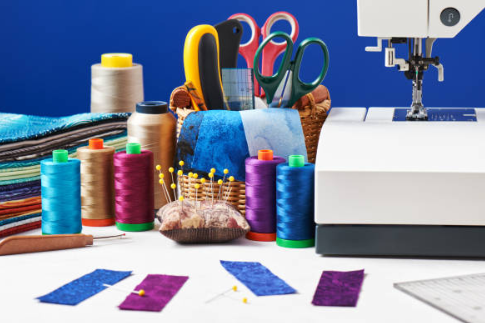
Building a functional sewing kit is more than just a shopping trip; it is an investment in your creative future. For beginners, the vast array of fabrics, threads, and notions can be overwhelming. Understanding the “why” behind material selection is crucial because the quality of your raw materials directly dictates the longevity and professional finish of your final garment. This guide explores the foundational principles of sourcing and the scientific approach to textile preservation.
Understanding Fabric Fundamentals and Selection
Choosing the right fabric is the most critical decision in any sewing project. Different fibers possess unique characteristics—drape, weight, and elasticity—that interact with patterns in specific ways. For beginners, starting with stable, non-slip fabrics like medium-weight cotton or linen is recommended to master machine control before moving to complex textiles like silk or jersey.
Natural vs. Synthetic Fibers
Natural fibers like cotton, wool, and silk offer breathability and ease of pressing, making them ideal for structured garments. Synthetic fibers such as polyester and nylon provide durability and wrinkle resistance but can be difficult to press and may melt under high iron temperatures. Understanding this balance helps in choosing the right material for the intended use of the item.
| Fabric Type | Best Use Case | Beginner Difficulty |
|---|---|---|
| Cotton Poplin | Shirts, dresses, and quilting | Low (Very Easy) |
| Linen | Summer wear and home decor | Low (Easy) |
| Polyester Satin | Evening wear and linings | High (Slippery) |
| Knit Jersey | T-shirts and loungewear | Medium (Stretch control needed) |

The Essential Notions Checklist for Every Project
Notions are the secondary items—buttons, zippers, thread, and elastic—that hold a project together. Using high-quality notions is just as important as the fabric itself. For instance, cheap thread can produce excessive lint that clogs your machine or, worse, snap during wear.
Thread and Needle Compatibility
Always match your thread weight and needle type to your fabric. A heavy-duty denim requires a thicker needle (size 100/16) and stronger thread, while a delicate voile needs a fine needle (size 70/10) to avoid leaving visible holes.
-
All-Purpose Polyester Thread:
The standard for most modern sewing. -
Universal Needles:
A versatile choice for woven fabrics. -
Marking Tools:
Tailor’s chalk or heat-erasable pens for accurate cutting.

Advanced Storage Solutions for Textile Preservation
Proper storage is the only way to protect your fabric stash from environmental degradation. Sunlight can fade colors, moisture can lead to mildew, and dust can settle into fibers, making them brittle over time. A systematic approach to organization also saves time and money by preventing “duplicate buying.”
Environmental Controls and Organization
Store your fabrics in a cool, dry place away from direct sunlight. Using clear, airtight plastic bins is an excellent way to see your inventory while keeping out pests like moths. For smaller items like thread, use a dedicated thread rack or drawer inserts to prevent tangling and color fading.
Expert Advice: The “Pre-Wash” Rule
Always wash and dry your fabric using the settings you intend for the finished garment before you cut into it. This accounts for shrinkage and removes excess dyes or chemical finishes (sizing) that can affect how the fabric handles during sewing.
Strategic Shopping: How to Build a Sustainable Stash
Building a collection of materials doesn’t have to be expensive. Strategic shoppers look for “remnants”—the ends of fabric bolts sold at a discount—for smaller projects. Additionally, thrifting high-quality vintage linens or oversized garments can provide premium fabric at a fraction of the retail cost.
Inventory Management
Keep a digital or physical “Swatch Book.” Attach a small scrap of each fabric you own along with notes on its width, fiber content, and where you bought it. This makes it easy to check your inventory while shopping for matching notions or patterns.
Frequently Asked Questions (FAQ)
-
How do I know if a fabric is high quality?
- Check the weave density; a tighter weave generally indicates higher quality. Also, perform a “scrunch test”—squeeze the fabric in your hand; if it stays heavily wrinkled, it may be difficult to maintain, but if it bounces back, it likely has good resilience.
-
Can I use old thread found in a sewing basket?
- Thread has a shelf life. Old cotton thread can become brittle and snap easily. Test it by trying to break a strand with your hands; if it snaps with very little effort, discard it to avoid tension issues in your machine.
-
What is the best way to store zippers and buttons?
- Use modular hardware organizers or small glass jars. Sorting by color or size allows you to quickly find the perfect match for your project without digging through a “junk drawer.”
-
Is it necessary to store fabric flat?
- While folding is common, storing fabric on rolls prevents permanent creases. If you must fold, try to refold the fabric occasionally to ensure the creases don’t become weak points in the fiber.
-
Should I buy all my materials at once?
- It is tempting to “stash build,” but for beginners, it is more cost-effective to buy materials on a project-by-project basis. This ensures you have exactly what you need without accumulating unnecessary clutter.