Understanding the Anatomy of Yarn and Thread
The “personality” of your thread is dictated by its structural engineering. Much like yarn in knitting, sewing thread is defined by its fiber content, the number of strands (ply), and the direction of the twist. Understanding these elements is the first step in ensuring your projects possess structural integrity and aesthetic longevity.
The Impact of Twist Direction and Count
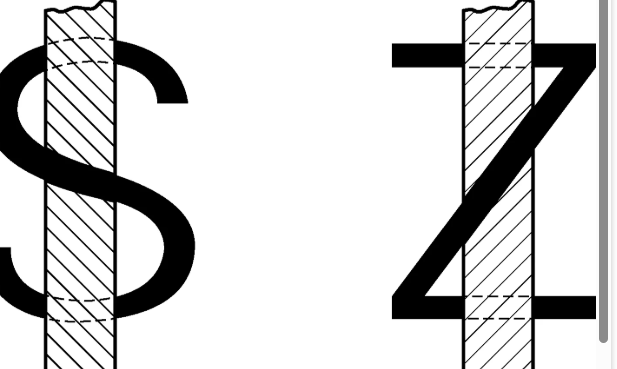
The twist of a thread refers to how the fibers are spun together. This process determines the thread’s strength and its behavior under tension:
- S-Twist: Fibers are twisted in a clockwise direction. Most machine sewing threads are S-twisted as it prevents them from untwisting during the high-speed motion of a sewing machine.
- Z-Twist: Fibers are twisted in a counter-clockwise direction. These are often used for specialized hand-sewing applications or embroidery.

Matching Thread Material to Fabric Types
Selecting the correct material is not merely a preference; it is a mechanical necessity. Using the wrong fiber can lead to puckering, thread breakage, or even damage to the fabric fibers during the sewing process.
Common Thread Materials and Their Best Uses
To achieve professional results, consider the following material-fabric compatibility chart:
| Thread Material | Recommended Fabric |
|---|---|
| Cotton | Natural fibers like linen, cotton, and rayon. |
| Polyester | Synthetic blends, knits, and high-stress garments. |
| Silk | Fine, delicate fabrics like silk or wool tailoring. |
| Nylon | Heavy-duty applications like upholstery or leather. |

Scientific Principles of Thread Selection
When purchasing thread, one must look beyond color matching. The “scientific” approach involves evaluating the thread’s weight, elasticity, and finish. These factors influence how the thread interacts with the feed dogs and the needle eye of your machine.
Key Factors for Quality Assessment
- Thread Weight (Tex/Ticket): Higher numbers indicate thicker threads. Ensure the weight matches the needle size to avoid skipped stitches.
- Elasticity: Synthetic threads like polyester offer more “give,” which is essential for stretchy knit fabrics to prevent seam snapping.
- Color Fastness: Always test threads for washability, especially when working with high-contrast fabric-thread combinations.

Advanced Strategies for Professional Seams
For high-end garment construction, the interaction between thread and fabric must be seamless. Professionals often perform a “stress test” on scrap fabric to determine if the tension settings need calibration based on the thread’s thickness.
Optimizing Machine Performance
Always ensure your needle size is appropriate for the thread thickness. A needle that is too small will cause the thread to shred, while a needle that is too large will result in ugly, visible holes in the fabric. Aim for a balanced tension where the interlocking of the needle and bobbin thread occurs exactly in the center of the fabric layers.
Frequently Asked Questions (FAQ)
- Q1: Why does my thread keep breaking while sewing?
- Thread breakage is often caused by an incorrect needle size, improper tension settings, or a burr on the needle or stitch plate. Check if the thread weight is compatible with your fabric.
- Q2: Can I use cotton thread on synthetic fabrics?
- It is generally discouraged. Cotton thread has little stretch, while synthetic fabrics are elastic. This mismatch can cause seams to pucker or pop when the fabric moves.
- Q3: What does the “ply” of a thread mean?
- The ply refers to the number of individual strands twisted together to form the thread. Most sewing threads are 2-ply or 3-ply, providing the necessary balance between flexibility and strength.
- Q4: How do I choose the right color if I can’t find an exact match?
- When in doubt, choose a thread that is one shade darker than your fabric. A lighter thread tends to stand out more prominently and can make stitches look uneven.