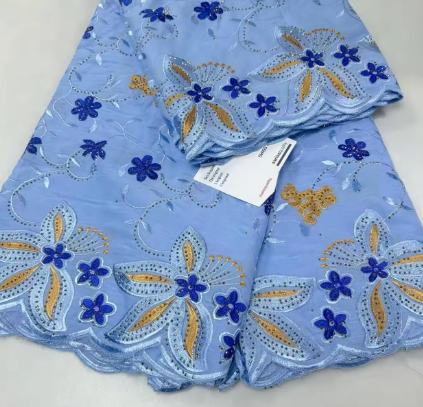
The world of textiles is vast and varied, but none capture the imagination quite like luxury fabrics. These materials are more than just threads woven together; they are a testament to centuries of craftsmanship, innovation, and an unwavering commitment to quality. From the whisper-soft touch of cashmere to the intricate patterns of ancient silks, luxury textiles embody elegance, comfort, and enduring style. This comprehensive guide delves deep into the fascinating universe of premium fabrics, exploring their origins, unique characteristics, cultural significance, and their crucial role in both historical and contemporary fashion.
Understanding luxury textiles means appreciating the journey from raw fiber to exquisite garment or decor. It involves recognizing the meticulous processes, often handed down through generations, that transform natural resources or engineered filaments into materials that command admiration and a premium price. Beyond their aesthetic appeal, these fabrics offer superior performance, durability, and a tactile experience that mass-produced alternatives simply cannot replicate. Join us as we unravel the threads of this rich subject, providing an in-depth look at what makes certain textiles truly luxurious.
The Foundation of Luxury: Understanding Premium Fibers
The essence of a luxury textile begins with its fundamental building block: the fiber. Whether sourced from animals, plants, or advanced synthetic processes, the quality, rarity, and inherent properties of these fibers dictate the final fabric’s characteristics. A nuanced understanding of these foundational elements is crucial to appreciating the value and performance of high-end materials.
Natural Fibers: The Gifts of Nature
Natural fibers have been prized for millennia, offering unparalleled breathability, comfort, and often, inherent strength. Their unique molecular structures contribute to distinct textures, drapes, and thermal properties that are difficult to replicate. The cultivation, harvesting, and processing of these fibers are often labor-intensive, further contributing to their luxury status.
- Silk: The Queen of Textiles
Originating from the silkworm, Mulberry silk is renowned for its unparalleled smoothness, lustrous sheen, and strength. Italian silk, in particular, is celebrated for its exquisite drape and vibrant color absorption, making it a favorite for high-fashion designs and elegant scarves. Silk apparel offers a subtle luxury, making the wearer the center of attention through its gentle allure and sophisticated feel. Its natural protein structure makes it hypoallergenic and breathable, ideal for various climates. - Cashmere: The Gentle Allure
Derived from the soft undercoat of cashmere goats, this fiber is synonymous with ultimate softness and warmth without bulk. A cashmere sweater is often described as “irresistible to take off” due to its addictive comfort. The rarity of the fiber, requiring meticulous hand-combing, and the delicate processing contribute significantly to its high cost and luxurious appeal. - Llama & Mohair: Unique Animal Fibers
Llama fiber offers a soft breeze-like feel, providing excellent insulation while remaining lightweight. It’s known for its durability and natural luster. Mohair, from the Angora goat, is a “secret weapon” for luxury sweaters, celebrated for its durability, resilience, and distinctive sheen. It takes dye exceptionally well and provides a fluffy, airy texture that adds a unique dimension to garments. - Camel Hair: A Natural Warm Fiber
Explored for its origins, camel hair is highly valued for its exceptional warmth and softness. It is often collected from the shedding of Bactrian camels, particularly the fine undercoat, which provides superior insulation and a rich, natural color palette, making it a staple in luxury outerwear and blankets. - Linen & Ramie: Breathable Plant Fibers
For summer, linen is often hailed as the perfect fabric. Its natural breathability, strength, and ability to absorb moisture make it incredibly comfortable in warm weather. Ramie, another plant-based fiber, shares many properties with linen, offering lightweight, breathable, and durable clothing options, making it a fashionable choice for warm climates. - Egyptian Cotton: The Ultimate Bedding Experience
Renowned for its extra-long staple fibers, Egyptian cotton provides an incredibly soft, smooth, and strong textile. It is the secret to a luxurious bedding experience, offering superior breathability and durability, ensuring comfort and longevity. Recommendations for Egyptian cotton bedding consistently highlight its ability to deliver the most comfortable sleep.
Man-Made & Blended Innovations: Acetate, Modal, Chiffon, Organza
While natural fibers hold a timeless appeal, advancements in textile science have introduced man-made fibers that offer unique properties, often enhancing natural fibers when blended, or providing entirely new aesthetic and functional possibilities. These innovations allow designers greater flexibility in creating diverse textures and drapes.
- Acetate: The Moving Gloss
Often underrated, acetate fabric possesses a beautiful gloss and fluid drape that “moves” with the wearer. It’s derived from cellulose and offers a luxurious feel similar to silk, with excellent color retention and wrinkle resistance. Its subtle luxury makes it ideal for lining garments, elegant dresses, and special occasion wear. - Modal: Wrapped in Clouds
Known for its addictive softness, modal is a semi-synthetic fiber made from beechwood pulp. It is incredibly soft, smooth, and breathable, often described as “like being wrapped in clouds.” Modal retains its softness even after repeated washes, making it a popular choice for intimate apparel, activewear, and comfortable everyday luxury. - Chiffon & Organza: Ethereal Lightness
For garments that instantly soften a whole look, chiffon is light and airy, offering a sheer, flowing quality. It’s often made from silk, nylon, or polyester and is perfect for dresses, scarves, and overlays. Similarly, organza, whether silk or synthetic, creates an ethereal elegance. An organza skirt, with its crisp yet sheer texture, is simply irresistible, adding volume and a delicate, structured beauty to fashion.

Ancient Artistry & Exquisite Craftsmanship: Eastern & Western Traditions
The journey of luxury textiles is deeply intertwined with human history, showcasing remarkable ingenuity and artistic expression across diverse cultures. From the intricate looms of ancient China to the elegant ateliers of Europe, specific textile crafts have emerged as pinnacles of artistry, each telling a story of heritage, skill, and cultural identity. These traditions often involve labor-intensive techniques and specialized knowledge, making their creations truly irreplicable.
Oriental Textile Masterpieces: Xiangyunsha, Kesi, Yunjin
The East, particularly China, boasts a legacy of textile craftsmanship that is both ancient and breathtakingly complex. These traditions represent the zenith of weaving and dyeing, often reserved for royalty and nobility, and continue to inspire awe with their intricate details and profound cultural significance.
- Xiangyunsha: The Mysterious Art of Oriental Textile Craftsmanship
Known as “fragrant cloud gauze,” Xiangyunsha is a unique silk fabric from China, famous for its distinctive dark, lustrous surface and natural patterns. Its production involves a complex, multi-step process including mud-dyeing with yam dioscorea sap and river mud, followed by sun-drying and polishing. This ancient art form results in a fabric that is cool, smooth, and naturally antibacterial, making it a luxurious choice for traditional garments and modern fashion alike. - Kesi: The Irreplicable Luxury Textile Art of the East
Kesi, or “cut silk,” is a highly esteemed Chinese silk tapestry weave. It is celebrated for its exquisite fineness and the illusion of carved imagery, achieved by using individual bobbins for each color, creating distinct, unjoined vertical lines that appear “cut.” This technique allows for incredibly detailed and complex designs, often depicting landscapes, figures, and auspicious symbols. Its labor-intensive nature and artistic precision make it one of the most luxurious and irreplicable textile arts. - Yunjin: The Luxurious Charm of Cloud Brocade
Yunjin, or “cloud brocade,” from Nanjing, China, is another imperial silk weaving technique renowned for its elaborate patterns and use of gold and silver threads, often incorporating peacock feathers. Its name evokes the beauty of clouds and brocade, reflecting the fabric’s rich, three-dimensional texture and vibrant colors. From its historical use in royal courts to its modern application in home decoration, Yunjin exemplifies the pinnacle of luxury textile craftsmanship, blending intricate design with precious materials.
European Elegance: Swiss Embroidery, Lace, and Velvet’s Royal Legacy
Europe has equally contributed to the tapestry of luxury textiles, with traditions that have adorned aristocracy and continue to influence haute couture. These crafts highlight precision, delicate artistry, and sophisticated design that have stood the test of time.
- Swiss Embroidery: A Designer’s Favorite
Swiss embroidery is highly popular among designers for its exceptional quality, precision, and intricate detailing. Known for its delicate textures and elaborate patterns, it adds a touch of refined elegance to garments, lingerie, and home furnishings. The meticulous craftsmanship involved ensures a flawless finish, making it a hallmark of luxury and high fashion. - Lace: From European Courts to Modern Fashion
The story of lace is one of timeless evolution. Originating in European courts, it quickly became a symbol of wealth and status, adorning royalty and nobility. Its intricate openwork patterns, created by hand or machine, range from delicate Chantilly to robust Guipure. Today, lace continues to charm in modern fashion, adding femininity, allure, and sophisticated detail to bridal wear, evening gowns, and everyday luxury items. - Velvet: From Royal Courts to Runways
The timeless evolution of velvet in fashion spans from royal courts to contemporary runways. This woven tufted fabric, with its distinctive soft pile, has historically been associated with luxury, power, and opulence. Its rich texture and deep color saturation make it a favorite for evening wear, upholstery, and luxurious accessories, consistently reinvented by designers to maintain its sophisticated appeal.

Modern Fashion & Design: Weaving Heritage into Contemporary Style
The allure of luxury textiles extends far beyond their historical roots; they are constantly reinterpreted and integrated into modern fashion and design. Contemporary designers draw inspiration from traditional craftsmanship while pushing boundaries with innovative techniques, creating pieces that are both timeless and relevant. This fusion of heritage and modernity defines the current landscape of high-end fashion.
Iconic Fabrics in High Fashion: Chanel Tweed, Italian Silk, Hermes Scarves
Certain fabrics and textile applications have become synonymous with luxury brands and iconic styles, representing the pinnacle of design and material excellence. These textiles are not just components but integral parts of a brand’s identity and a symbol of enduring elegance.
- Chanel Tweed: Elegance in Every Detail
The Chanel tweed jacket is an emblem of sophistication and timeless style. This unique woven fabric, often incorporating various yarns, textures, and colors, embodies “elegance in every detail.” It’s a testament to how a specific textile can become a signature element of a luxury brand, offering both structure and comfort, and instantly elevating any outfit. - Italian Silk: The Lightness of Fashion
Italian silk is celebrated for its exceptional quality, vibrant colors, and unparalleled drape. Its lightness and fluidity make it a popular choice in modern design, perfect for creating flowing silhouettes and luxurious garments that move beautifully. It represents the pinnacle of silk production, blending traditional methods with contemporary aesthetics. - Hermès Scarves: Art in Every Fold
While “not every scarf has a name,” every Hermès scarf “feels like a work of art.” These iconic accessories, typically crafted from the finest silk twill, are renowned for their intricate designs, vibrant colors, and meticulous hand-rolled hems. Each scarf tells a story, making it a collectible piece of wearable art that embodies luxury and heritage.
The Intersection of Handcrafted Art and Mass Production
The modern textile industry faces the challenge and opportunity of blending handcrafted artistry with the realities of contemporary production. While true luxury often relies on bespoke or limited-run artisanal methods, the influence of premium textiles permeates even broader fashion trends, inspiring new techniques and material innovations.
The charm of premium textiles lies in this intersection. Designers continually seek ways to incorporate traditional methods, such as specific weaving patterns or embroidery techniques, into more widely accessible lines, or to develop new materials that mimic the desirable properties of rare natural fibers. This approach helps preserve artisanal skills while making the aesthetic of luxury more broadly influential, driving demand for quality and thoughtful design.
Ultimately, the goal is to maintain the distinctiveness and superior quality that define luxury, even as fashion evolves. This requires a delicate balance of honoring the past while embracing future possibilities in material science and ethical sourcing.

Ethical Considerations & Sustainable Luxury
As consumer awareness grows, the luxury textile industry is increasingly under scrutiny regarding its ethical footprint and environmental impact. True luxury in the 21st century extends beyond material opulence to encompass responsible sourcing, sustainable production, and fair labor practices. This shift is redefining what it means for a textile to be truly “premium.”
Real Fur vs. Faux Fur: A Dialogue on Fashion and Ethics
The debate between real fur and faux fur represents a significant “game about fashion and ethics.” Historically, real fur was a symbol of ultimate luxury and warmth. However, growing concerns over animal welfare and environmental impact have led many luxury brands and consumers to embrace high-quality faux fur alternatives. Modern faux fur can achieve remarkable realism and offers a cruelty-free option, prompting a re-evaluation of ethical choices in luxury fashion.
This discussion highlights the evolving values within the industry. While some argue for the natural biodegradability and traditional value of real fur, proponents of faux fur emphasize innovation in synthetic materials that offer similar aesthetics and performance without ethical compromise. Brands are increasingly making commitments to go fur-free, reflecting a broader movement towards more compassionate fashion.
Eco-Conscious Production and Sourcing in Luxury Textiles
Sustainability is no longer a niche concern but a core principle in luxury textile production. This involves a multi-faceted approach, addressing everything from raw material cultivation to manufacturing processes and waste management. The goal is to minimize environmental harm while maximizing social benefit.
- Sustainable Sourcing: This includes using organically grown fibers (like organic cotton or linen), responsibly harvested animal fibers (e.g., camel hair collected during natural shedding), and recycled materials. For instance, the production of modal from sustainably managed beech forests is an example of eco-conscious sourcing.
- Reduced Environmental Impact: Luxury brands are investing in technologies that reduce water usage, minimize chemical dyes, and lower energy consumption during production. This often involves closed-loop systems for man-made fibers and innovations in natural dyeing techniques for traditional crafts.
- Fair Labor Practices: Ensuring fair wages, safe working conditions, and ethical treatment of artisans and workers throughout the supply chain is paramount. The meticulous handcraftsmanship involved in many luxury textiles necessitates fair compensation for skilled labor.
The future of luxury textiles hinges on balancing exquisite quality with a commitment to planetary and social well-being. Consumers are increasingly seeking transparency and authenticity, driving brands to adopt more sustainable and ethical models.

Preserving Your Investment: Care and Longevity of Luxury Fabrics
Luxury textiles are significant investments, not just in terms of monetary value but also in the craftsmanship and heritage they represent. Proper care is essential to maintain their beauty, preserve their unique properties, and ensure their longevity. Neglecting appropriate care can lead to irreversible damage, diminishing the very qualities that make these fabrics luxurious.
The Ultimate Guide to Caring for Mulberry Silk
Mulberry silk, known for its delicate nature, requires specific care to retain its luster, softness, and strength. Understanding these guidelines is crucial for anyone owning silk apparel or bedding.
- Hand Washing Preferred: For best results, hand wash silk items in cool water (around 30°C or 86°F) using a mild, pH-neutral detergent specifically designed for silk or delicates. Avoid harsh chemicals or bleaches.
- Gentle Agitation: Gently swish the item in the water; do not wring, twist, or scrub vigorously. Excessive friction can damage the delicate silk fibers.
- Rinsing: Rinse thoroughly under cool, running water until all soap residue is gone.
- Drying: Roll the silk item in a clean, dry towel to absorb excess water. Do not tumble dry, as high heat can shrink and damage silk. Lay flat or hang to air dry away from direct sunlight, which can cause fading.
- Ironing: If necessary, iron on the lowest setting while the silk is still slightly damp, or use a steam iron with a protective cloth. Iron on the reverse side.
- Storage: Store silk items in a cool, dry place, away from direct sunlight. Use padded hangers for garments to prevent stretching or creasing.
By following these steps, you can ensure your mulberry silk retains its exquisite feel and appearance for years to come, truly making it a delicate yet durable investment.
General Care Tips for Diverse Luxury Textiles
While specific fibers have unique needs, several general principles apply to the care of most luxury textiles. Always check the care label first, as it provides the most accurate instructions from the manufacturer.
- Spot Cleaning vs. Full Wash: For minor spills, spot cleaning immediately with a gentle cleaner can prevent stains from setting and reduce the need for a full wash, which can be harsh on delicate fibers.
- Professional Dry Cleaning: Many luxury items, especially structured garments like a Chanel tweed jacket or delicate pieces like a lace dress, are best left to professional dry cleaners. They have specialized knowledge and equipment to handle sensitive fabrics.
- Temperature Control: Avoid extreme temperatures. Hot water can shrink or damage wools, silks, and rayons, while direct sunlight can fade colors and weaken fibers over time.
- Storage Matters: Proper storage is key. Cashmere and woolens should be folded and stored with cedar or lavender to deter moths. Silks and chiffons benefit from hanging on padded hangers to prevent creases and maintain their shape. Bedding, like Egyptian cotton, should be stored in breathable bags to prevent mildew.
- Gentle Handling: Whether washing, drying, or wearing, treat luxury textiles with care. Avoid snagging, stretching, or harsh rubbing, which can compromise the fabric’s integrity and appearance.
By adopting a mindful approach to care, you extend the life of your luxury textiles, allowing them to remain cherished pieces that continue to provide comfort, elegance, and beauty.
Frequently Asked Questions (FAQ)
- Q1: What defines a textile as “luxury”?
- Luxury textiles are defined by a combination of factors including the rarity and quality of their raw fibers (e.g., extra-long staple cotton, fine cashmere, mulberry silk), the intricacy and skill of their craftsmanship (e.g., Kesi, Swiss embroidery, hand-rolled hems), their unique aesthetic and tactile properties, and often, their historical or cultural significance. They typically offer superior durability, comfort, and drape compared to mass-produced alternatives.
- Q2: Are natural fibers always more luxurious than man-made fibers?
- While many traditional luxury textiles are made from natural fibers like silk, cashmere, and fine cotton, man-made fibers can also achieve luxury status through advanced engineering and processing. For example, high-quality modal offers exceptional softness, and acetate provides a unique luster and drape. Blends of natural and man-made fibers can also create highly luxurious textiles that combine the best properties of both, such as enhanced durability with softness.
- Q3: How do I identify genuine luxury fabrics like real silk or cashmere?
- Identifying genuine luxury fabrics often involves tactile inspection and sometimes a burn test (for small samples only
Sewing workspace note: This guide is educational craft information for general readers. Needles, blades, hot irons, steam, motors, cords, dyes, adhesives, and heavy equipment can create safety risks. Follow manufacturer instructions, test materials first, and consult qualified repair or safety professionals when tools or machines behave unexpectedly.