In the world of sewing and textiles, thread is often seen as a purely functional component—the humble binder that holds fabric together. However, its potential extends far beyond simple utility. A single strand of thread holds the power to be a primary design element, a splash of color, a textural accent, and a story in itself. Furthermore, once a spool is empty or a project is complete, that leftover thread and its container possess a second life, waiting to be transformed through creative repurposing. This guide delves into the dual nature of sewing thread, exploring its role as a source of design inspiration and providing a wealth of practical, innovative ideas for upcycling old spools and threads into something new and beautiful.
We will journey from understanding thread as a visual medium to actionable projects that breathe new life into materials you might have otherwise discarded. Prepare to see your sewing box not just as a collection of tools, but as a treasure chest of creative potential.
Thread as a Core Design Element: Beyond the Seam
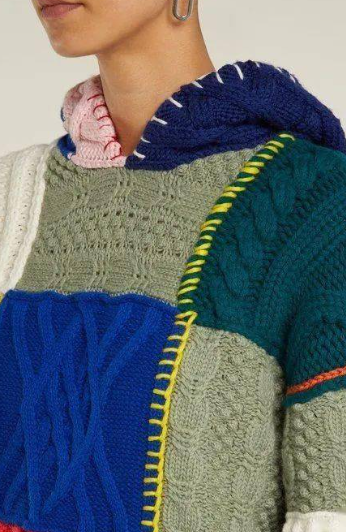
Moving beyond its role as a structural necessity, thread can become the focal point of a garment or textile project. By thoughtfully selecting its color, weight, and application, you can elevate a simple design into a work of art. This approach requires a shift in perspective: instead of hiding your stitches, you celebrate them. It’s about letting the needle and thread speak, adding personality and detail that fabric alone cannot achieve.
The Power of Color and Contrast
The simplest way to use thread as a design element is through color. A contrasting thread color can outline a silhouette, emphasize a seam line, or create a bold graphic pattern. Think of the iconic gold stitching on blue jeans—it’s a perfect example of functional stitching transformed into a defining design feature. When planning a project, consider your thread palette as carefully as your fabric palette.
- Monochromatic Schemes: Using a thread that is a slightly different shade than the fabric can create subtle, sophisticated texture and depth.
- Analogous Colors: Choosing thread colors adjacent to the fabric color on the color wheel results in a harmonious, visually pleasing effect.
- Complementary Colors: For a high-impact, vibrant look, use a thread color directly opposite your fabric color on the color wheel. This creates a powerful visual pop.
Texture, Weight, and Sheen
Not all threads are created equal. The material, thickness (weight), and finish of a thread can dramatically alter the final look of your stitching. By experimenting with different types, you can add rich texture and dimension.
- Topstitching Thread: This is a heavier-weight thread designed to be seen. It’s ideal for creating bold, defined lines on collars, cuffs, and pockets.
- Embroidery Floss: Composed of multiple strands, floss can be used whole for a thick, rustic look or separated for fine, detailed work. Its high sheen catches the light beautifully.
- Metallic and Variegated Threads: Metallic threads add a touch of glamour and luxury, while variegated threads, which change color along their length, create dynamic, unpredictable patterns with a simple straight stitch.

Creative Upcycling: 10 Ways to Repurpose Old Spools and Thread
Before you toss those empty spools or tangled bits of leftover thread, consider their potential for a second act. Upcycling these humble items is not only environmentally friendly but also opens up a world of crafting possibilities. Here are ten detailed ideas to transform your sewing scraps into charming and useful creations.
1. Miniature Spool Ornaments and Garlands
Empty spools, especially vintage wooden ones, make for incredibly charming ornaments. You can wrap them with scraps of festive fabric, glittery thread, or thin ribbon. Drill a small hole through the top or insert a small eyelet screw to attach a loop for hanging. String multiple decorated spools together with twine or ribbon to create a unique garland for holidays or year-round decor.
2. DIY Jewelry Creations
A single spool can become a pendant for a rustic-chic necklace. For a more colorful approach, wrap spools in various shades of embroidery floss to create vibrant beads. These can be strung together to make necklaces or bracelets. You can also create thread-wrapped hoop earrings or tassels from leftover thread to add a handmade touch to your accessory collection.
3. Functional Home and Office Organizers
Old spools are perfectly shaped for organization. Glue a few spools onto a small wooden plank to create a holder for twine, washi tape, or ribbons in your craft room. A single, larger spool can serve as a simple and effective business card holder on your desk or a wrangler for pesky earbud cords.
4. Educational Kids’ Crafts
Spools are fantastic, safe building blocks for young children. Their shape also makes them ideal for fine motor skill development. Provide kids with spools and string or pipe cleaners for lacing activities. They can also be painted and used as wheels for toy cars or as bodies for small dolls and figures.
5. Artistic Wall Hangings and Mobiles
Create a visually stunning mobile by hanging decorated spools at varying lengths from a small embroidery hoop or a piece of driftwood. For a wall hanging, wrap spools in a coordinated color palette of thread or yarn and mount them in a grid pattern inside a shadow box frame.
6. Custom Gift Wrapping Embellishments
Elevate your gift-wrapping game by using thread in place of ribbon. Wrap a gift in simple kraft paper, then wind a colorful thread around it multiple times for a minimalist yet striking effect. A small, thread-wrapped spool can be tied into the bow as a charming, reusable embellishment.
7. Garden and Plant Markers
Wooden spools can be repurposed for the garden. Write the names of your herbs or vegetables on the flat ends of the spools with a permanent marker, apply a coat of weatherproof sealant, and slide them onto thin wooden dowels or skewers to create durable and attractive plant markers.
8. Unique Fire Starters
For the avid camper or fireplace enthusiast, old thread can be turned into an effective fire starter. Tightly wrap cotton thread scraps around a cotton ball, and dip the entire bundle in melted wax (old candle ends work perfectly). Once hardened, these little bundles are waterproof and light easily, serving as excellent tinder.
9. Miniature Photo Holders
Create a quaint display for small photos or notes. Make a single cut into the top rim of a spool with a fine-toothed saw. The small slit is perfect for holding a small photograph, place card, or reminder note upright on a desk or shelf.
10. Thread-Wrapped Letter Decor
Purchase a wooden or cardboard letter from a craft store and tightly wrap it with various colors of leftover thread. You can create color-blocked sections, stripes, or a random pattern. This makes for personalized and textured decor for a bedroom or nursery.

Preparation and Best Practices for Thread Crafting
To ensure your repurposed projects are beautiful and long-lasting, a little preparation goes a long way. Whether you’re using thread as a primary design element or upcycling old materials, following a few best practices will set you up for success.
Cleaning and Preparing Old Spools
If you’re using vintage or found spools, they may need a bit of cleaning. For wooden spools, a gentle wipe with a damp cloth is usually sufficient. If they are grimy, use a mild soap and water solution, but be sure to dry them thoroughly to prevent warping. For plastic spools, a simple wash with soap and water works perfectly. Ensure any old labels or sticky residue are removed for a clean crafting surface.
Sorting and Storing Leftover Thread
Instead of letting small bits of thread become a tangled mess, get organized. Wind shorter lengths of thread around small pieces of cardboard to keep them tidy. This “thread library” makes it easy to see your color options at a glance when starting a new crafting project. Storing them in a clear container will also protect them from dust and fading.
Choosing the Right Adhesives and Tools
The success of many spool-crafting projects depends on the right glue. For wrapping thread or fabric around spools, a clear-drying craft glue or fabric glue is ideal. For projects that require a stronger bond, such as attaching spools to a wood base or creating organizers, a hot glue gun or a strong epoxy will provide the necessary durability. Having a basic craft kit with scissors, craft knives, small paintbrushes, and pliers will also be immensely helpful.

Conclusion: Embracing the Full Lifecycle of Thread
Sewing thread is a remarkably versatile material that offers creative value at every stage of its life. From the initial choice that defines the aesthetic of a new project to the final scrap that becomes part of a charming piece of home decor, its potential is limited only by our imagination. By learning to see thread not just as a tool for construction but as a medium for artistic expression, we can add deeper layers of meaning and beauty to our work. By embracing the practice of repurposing, we not only engage in sustainable crafting but also honor the full lifecycle of our materials.
So, the next time you finish a spool or admire a perfectly executed topstitch, take a moment to appreciate the power held within that simple strand. Let it inspire your designs, and let its remnants fuel a new wave of creativity, ensuring that nothing goes to waste and everything has the chance to become beautiful.
Frequently Asked Questions (FAQ)
- Q1: What are the best types of thread for visible, decorative stitching?
- For decorative stitching that is meant to stand out, you should opt for heavier threads. Topstitching thread is specifically designed for this purpose and is strong and thick. Embroidery floss is another excellent choice, as its high sheen and vibrant colors catch the eye. You can use all six strands for a bold look or fewer for more delicate details. For a touch of sparkle, consider using metallic thread, though it can be trickier to work with and may require a special needle.
- Q2: How can I safely clean old wooden spools for crafting?
- Cleaning vintage wooden spools requires a gentle approach to avoid damaging the wood. Start by dusting them off with a dry cloth. For more stubborn dirt, lightly dampen a soft cloth with a solution of mild soap and water. Wring the cloth out thoroughly so it’s not dripping, then gently wipe the spool. Immediately dry the spool with a clean, dry cloth. Avoid soaking the wood in water, as this can cause it to swell, crack, or lose its patina.
- Q3: Are there any eco-friendly benefits to repurposing sewing thread and spools?
- Absolutely. Repurposing sewing thread and spools is a fantastic example of upcycling. It diverts waste from landfills, as many spools (especially plastic ones) and synthetic threads are not biodegradable. By giving these items a new purpose, you reduce the demand for new raw materials, thereby conserving energy and resources. It’s a creative way to practice sustainability and reduce your crafting footprint.
- Q4: Can I mix different types of thread in one repurposing project?
- Yes, mixing different types of thread can add wonderful texture and visual interest to your projects. For example, when creating a thread-wrapped piece of decor, you could alternate between matte cotton thread, shiny embroidery floss, and rustic twine. The combination of different sheens, thicknesses, and textures will create a more dynamic and unique finished product. Just ensure your chosen adhesive works well with all the fiber types you are using.
- Q5: What’s a simple starter project for someone new to thread crafting?
- A great beginner project is creating custom gift wrapping embellishments. This project is low-stakes and highly rewarding. Simply take an empty spool and wrap it neatly with a colorful scrap of thread, securing the end with a dab of craft glue. Then, use a longer piece of thread or twine to tie this decorated spool onto a wrapped gift. It requires minimal tools and skills but produces a beautiful, personalized result.