Sewing is a craft that beautifully marries utility with artistry. While traditional patterns provide a solid foundation, the true magic happens when you venture into the realm of creative and unconventional designs. Moving beyond simple garment construction into artistic expression allows you to create pieces that are not just handmade, but deeply personal and visually stunning. This guide is your gateway to mastering a variety of creative sewing patterns, from the sharp, clean lines of geometric designs to the organic elegance of florals and the free-spirited charm of bohemian styles. We will delve into the specific techniques, tools, and creative mindset needed to transform fabric into a canvas for your imagination.
Mastering Geometric and Abstract Sewing Patterns
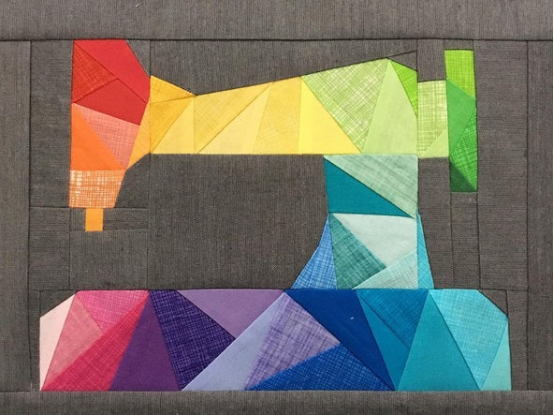
Geometric patterns are a cornerstone of modern sewing and quilting, offering endless possibilities through the interplay of shape, color, and line. They can range from highly structured, traditional patchwork to bold, unconventional abstract compositions. Success in this area hinges on precision and a strong understanding of how shapes interact. Abstract geometric patterns, in particular, break free from rigid repetition, allowing for a more intuitive and expressive design process that can turn a simple quilt or wall hanging into a piece of modern art.
The Foundation of Precision: Classic Geometry
Working with classic geometric shapes like squares, triangles, and hexagons requires meticulous attention to detail. The visual impact of these designs comes from perfect points and flawlessly aligned seams.
- Accurate Cutting: This is non-negotiable. Use a sharp rotary cutter, a quality cutting mat, and a clear acrylic ruler. Measure twice and cut once to ensure all your pieces are the correct size. Even a tiny error can be magnified as you assemble the project.
- Consistent Seam Allowance: A consistent 1/4-inch seam allowance is standard in quilting. Use a specialty presser foot or place a guide on your sewing machine bed to maintain consistency throughout the project.
- Pressing Technique: How you press your seams is critical. Generally, press seams to one side (usually towards the darker fabric) to reduce bulk. For complex intersections, pressing seams open can help the block lie flat.
The Freedom of Abstract Patchwork
Abstract geometric patterns offer a break from convention, focusing on dynamic compositions and unexpected arrangements. This style encourages improvisation and creative freedom.
To begin, you don’t need a formal pattern. You can start with a central piece of fabric and build outwards, adding strips and shapes intuitively—a technique known as “improv piecing.” This method is less about perfect points and more about creating visual interest and movement. Consider the principles of design: use a mix of large and small shapes to create a focal point, and leverage color theory to evoke a specific mood. Contrasting colors can create energy, while an analogous color scheme can produce a more serene effect.

Embracing Nature: Floral and Animal Silhouette Patterns
Bringing elements of the natural world into your sewing projects adds a layer of charm and life that is universally appealing. Floral patterns can be lush and complex, while animal silhouettes offer a clean, graphic, and often adorable touch. Both styles rely heavily on appliqué techniques and careful fabric selection to achieve their desired effect.
Layering Techniques for Realistic Florals
Creating dimensional, lifelike flowers like roses and daisies involves more than just cutting out a single shape. The key is to build layers to create depth and shadow. For a layered rose, you would cut multiple petal shapes of slightly different sizes and shades of the same color. Start by arranging and stitching the outer, larger petals, then work your way inwards, layering the smaller petals on top. This creates a convincing 3D effect. To enhance realism:
- Use Fusible Web: Apply a lightweight fusible web to the back of your fabric pieces before cutting. This stabilizes the fabric and allows you to iron the pieces into place before stitching, preventing shifting.
- Thread Choice: Use thread that matches your fabric for invisible stitches, or choose a contrasting color to add detail and outline, a technique known as thread painting.
- Stitch Selection: A tight satin stitch or a dense zigzag stitch is perfect for securing the edges and adding a clean, finished look.
Creating Crisp Animal Silhouettes
The beauty of a silhouette lies in its simplicity and instantly recognizable shape. The goal is to create sharp, clean edges that define the animal’s form. This is an excellent way to personalize children’s quilts, tote bags, or clothing.
The process is straightforward: trace the animal shape onto the paper side of a fusible web, iron it onto the wrong side of your chosen fabric, cut it out precisely, and then fuse it onto your background fabric. For the cleanest finish, stitch around the entire edge of the silhouette with a blanket stitch or a tight zigzag stitch. The key to success is choosing the right fabrics. A solid, dark fabric for the silhouette against a lighter, subtly patterned background often creates the most dramatic and effective result.

Channeling Free Spirits: Bohemian-Style Sewing
Bohemian style is characterized by its relaxed, eclectic, and artistic vibe. In sewing, this translates to flowing garments, organic patterns, and a rich tapestry of textures and embellishments. It’s a style that celebrates freedom and individuality, making it incredibly fun to create. The core elements involve mastering curves and incorporating unique details like tassels and fringe.
The Art of the Curve and Flow
Unlike the rigid lines of geometry, boho designs are all about soft curves and drape. This requires a different approach to cutting and sewing. Many bohemian-style garments, like maxi skirts and peasant blouses, use large, curved pattern pieces.
- Working with Bias: Curved edges often have sections cut on the bias (the diagonal of the fabric), which makes the fabric stretchy and prone to distortion. Handle these pieces gently and stay-stitch (sew a line of straight stitches just inside the seam allowance) to prevent them from stretching out of shape before you sew them.
- Easing in Fabric: When sewing a convex (outward) curve to a concave (inward) curve, you need to ease the fabric. Use plenty of pins and clip into the seam allowance of the concave curve to help it lie flat and fit the opposing piece smoothly.
Integrating Tassels and Embellishments
Embellishments are at the heart of the bohemian aesthetic. Tassels, pom-poms, and fringe can be added to hems, seams, and drawstrings to infuse your project with personality. You can purchase pre-made trims or easily make your own tassels from embroidery floss or yarn. When attaching them, ensure they are securely stitched into a seam or reinforced on the back to withstand wear and washing. This is where you can truly be creative, mixing colors and textures to create a piece that is uniquely yours.

Personalization Power: Sewing with Letters and Numbers
Adding names, dates, or meaningful phrases to a sewing project transforms it from a generic item into a cherished keepsake. This is perfect for baby gifts, wedding presents, or simply adding a monogram to your own belongings. The most common and effective method for adding letters and numbers is appliqué.
Appliqué Techniques for Clean Lettering
Creating professional-looking lettering requires precision. The technique is similar to creating animal silhouettes but demands more care due to the intricate shapes of letters.
The fusible web appliqué method is ideal for beginners and experts alike. First, choose a clear, simple font; highly ornate or thin fonts can be difficult to cut and sew. Remember to trace your letters in reverse onto the paper backing of the fusible web. Once you have cut out your fabric letters and fused them to the background, the final step is stitching. A straight stitch just inside the raw edge gives a modern look, while a satin stitch provides a classic, bold outline that fully encases the raw edge.
Scaling and Placement for Maximum Impact
The success of a personalized project often comes down to design choices. Before you cut your fabric, experiment with the size and placement of your text. Print out the letters in various sizes and arrange them on your project to find the most balanced and visually appealing composition. For multi-word phrases, use a ruler and a disappearing fabric marker to draw guidelines, ensuring your letters are straight and evenly spaced. This planning stage is crucial for achieving a polished, high-quality finish.

Advanced Strategies: Fusing Different Pattern Styles
The ultimate expression of sewing creativity lies in the ability to combine different styles into a single, cohesive project. This is where you can break the rules and develop a signature aesthetic. Fusing styles allows you to create pieces with incredible depth, narrative, and visual interest. Imagine a quilt that tells a story by merging the structured world of geometry with the organic beauty of nature.
Creating Hybrid Designs
Think about how different elements can complement each other. A background of abstract geometric patchwork can serve as a dynamic “canvas” for a beautifully layered floral appliqué focal point. A simple animal silhouette can be given a bohemian twist with an embroidered floral crown or a tassel tail. A personalized baby quilt can feature the child’s name appliquéd over a charming backdrop of simple geometric blocks.
Tips for Successful Fusion Projects
When combining disparate styles, creating a sense of unity is key. Here are some ways to tie everything together:
- Consistent Color Palette: Use a unified color scheme across all elements of your project. This is the most effective way to make different styles feel like they belong together.
- Repetition of Shape: Repeat certain shapes or lines throughout the design. The curve of a flower petal could be echoed in a curved patchwork piece in the background.
- Balancing Complexity: If one part of your design is very intricate (like a detailed floral arrangement), keep other areas simpler (like a basic geometric background) to avoid a visually cluttered result. This allows the eye to rest and appreciate the focal point.
By experimenting with these creative patterns, you are not just sewing fabric; you are crafting stories, expressing your personality, and developing a deeper connection to your craft. Don’t be afraid to try new techniques, make mistakes, and let your creativity guide you. The most beautiful projects are often born from the boldest ideas.
Frequently Asked Questions (FAQ)
- What is the best fabric for intricate geometric patchwork?
- High-quality, 100% quilting cotton is the top choice. It has a stable weave, minimal stretch, presses beautifully, and comes in a vast array of solid colors and prints. This stability is crucial for achieving the precision needed for sharp points and perfectly aligned seams in geometric designs.
- How can I prevent fabric from puckering when doing detailed floral appliqué?
- Puckering is usually caused by fabric shifting or being pulled too tightly. The best solution is to use a stabilizer. Iron a lightweight fusible web to the back of your appliqué pieces and a tear-away or cut-away stabilizer to the back of your background fabric. This provides rigidity and prevents distortion as you stitch.
- What is the easiest way to add letters to a project for a beginner?
- The fusible web appliqué method is by far the most beginner-friendly. By ironing the letters onto the background fabric, you eliminate the challenge of holding them in place while you sew. For the stitching itself, a simple straight stitch just inside the edge of the letter is very forgiving and creates a lovely, modern look.
- Are there special tools needed for sewing curves in bohemian patterns?
- While not strictly necessary, a few tools can make sewing curves much easier. A “stiletto” or “awl” can help guide the fabric under the presser foot without putting your fingers at risk. Using plenty of pins or fabric clips is essential to hold the curved edges together accurately. Finally, sharp scissors with a fine point are needed for clipping the seam allowances, which allows the curves to lie flat when turned.
- Can I mix different types of patterns, like floral and geometric, in one project?
- Absolutely! This is a fantastic way to create unique and visually dynamic pieces. The key to success is to create harmony through a unifying element. The most common method is to use a consistent color palette that ties the different styles together. For example, you could use the same family of blues, greens, and pinks in both a geometric patchwork background and a floral appliqué centerpiece.