The Foundation of Fabrics: Natural vs. Synthetic Fibers
The textile industry is built upon a fundamental dichotomy: natural fibers harvested from the earth and synthetic fibers engineered in laboratories. Understanding this distinction is the first step in mastering fabric selection, as the origin of the fiber dictates everything from environmental impact and manufacturing cost to daily comfort and garment longevity.
A Comparative Analysis of Core Fibers
Natural fibers, such as cotton, wool, and silk, are celebrated for their unparalleled breathability and moisture-wicking properties. They interact synergistically with human skin, regulating temperature and providing a luxurious hand-feel. Conversely, synthetic fibers like polyester, nylon, and acrylic are born from petrochemical processes. They offer extreme durability, wrinkle resistance, and cost-effectiveness, though often at the expense of breathability and environmental sustainability.
| Feature | Natural Fibers (e.g., Cotton, Wool) | Synthetic Fibers (e.g., Polyester, Nylon) |
|---|---|---|
| Comfort & Breathability | Exceptional; highly breathable and hypoallergenic. | Moderate to low; can trap heat and moisture. |
| Durability | Varies; generally requires careful maintenance. | Extremely high; resistant to abrasion and tearing. |
| Environmental Impact | Biodegradable, but requires high water/land usage. | Non-biodegradable; sheds microplastics. |
| Cost | Generally higher, subject to agricultural yields. | Low to moderate; highly scalable production. |
From Fiber to Fabric: 10 Common Textiles
Transforming raw fibers into wearable textiles involves complex spinning, weaving, and knitting processes. Here is an overview of the most ubiquitous fabrics in modern wardrobes:
- Cotton: The undisputed king of everyday wear, prized for its softness and versatility.
- Polyester: A resilient synthetic workhorse, dominating activewear and fast fashion.
- Silk: A protein fiber spun by silkworms, renowned for its luminous sheen and drape.
- Wool: Sourced from sheep, offering unmatched thermal insulation.
- Linen: Woven from the flax plant, offering supreme coolness in hot climates.
- Nylon: The first fully synthetic fiber, famous for its elasticity and strength.
- Rayon (Viscose): A semi-synthetic fiber made from regenerated cellulose, mimicking silk.
- Acrylic: A synthetic alternative to wool, often used in affordable knitwear.
- Spandex (Elastane): Essential for stretch and recovery in modern garments.
- Denim: A sturdy cotton twill textile, the backbone of casual wear globally.

Decoding Fabric Specifications: Count, Weight, and Momme
To truly evaluate the quality of a garment, one must look beyond the generic fabric label and understand the highly specific metrics used by textile manufacturers. Terms like fabric count, fabric weight (ounces or GSM), and silk momme are the true indicators of luxury, durability, and craftsmanship.
Why Are 300-Count Shirts Sold at Sky-High Prices?
Fabric count refers to the thickness of the yarn used in weaving. A higher count indicates a finer, thinner yarn. Standard cotton shirts usually range from 40 to 80 count. However, a 300-count shirt represents the pinnacle of textile engineering. To spin yarn this fine without it breaking, manufacturers must use ultra-premium long-staple or extra-long-staple cotton (such as Egyptian or Sea Island cotton). The resulting fabric is incredibly dense, possessing a silk-like luster, exceptional softness, and a feather-light feel. The exorbitant price tag is justified by the rare raw materials, the slow and meticulous weaving process, and the high rejection rate of imperfect batches.
Understanding Silk Momme (mm)
When purchasing silk, the “momme” (pronounced “moe-mie”) number is the most critical metric. It measures the density and weight of the silk fabric. One momme equates to 4.340 grams per square meter. Understanding this metric ensures you select the right silk for the right purpose:
- 8 to 12 Momme: Ultra-lightweight, sheer silk. Ideal for delicate scarves and lightweight summer blouses.
- 16 to 19 Momme: The standard for high-quality silk clothing and everyday luxury apparel. It offers a beautiful drape and moderate durability.
- 22 to 30 Momme: Heavyweight luxury silk. This is the gold standard for premium bedding, bridal wear, and heirloom-quality garments, offering exceptional longevity and a rich, opaque finish.
The Secret Behind Fabric Weight: Is Heavier Always Better?
Fabric weight is typically measured in Grams per Square Meter (GSM) or ounces per square yard (oz). There is a common misconception that heavier fabrics are inherently superior. In reality, fabric weight dictates functionality. Heavy cotton (over 200 GSM) provides structure, durability, and warmth, making it perfect for structured tees and winter wear. Conversely, lightweight cotton (under 130 GSM) is engineered for maximum airflow and fluid drape, essential for tropical climates. The “best” weight depends entirely on the garment’s intended use.

High-Performance and Specialized Textiles
The intersection of technology and textiles has birthed a generation of high-performance fabrics designed to conquer extreme environments and fulfill highly specific aesthetic or functional needs. From scaling mountains to creating ethereal silhouettes, specialized fabrics push the boundaries of what clothing can achieve.
Decoding Gore-Tex: The Pinnacle of Waterproof Breathability
For decades, outdoor enthusiasts faced a dilemma: wear a rubberized raincoat that kept rain out but trapped sweat inside, or wear a breathable jacket that soaked through in a downpour. Gore-Tex solved this with a revolutionary microporous membrane. The secret lies in its microscopic pores—there are roughly 9 billion pores per square inch. These pores are 20,000 times smaller than a water droplet, making the fabric completely waterproof. Simultaneously, the pores are 700 times larger than a water vapor molecule, allowing sweat to escape. This dual-action mechanism is why Gore-Tex commands such a high premium; it requires complex lamination processes and rigorous seam-sealing technologies to maintain its integrity.
Tips for Choosing Waterproof Fabrics for Outdoor Gear
When selecting high-performance outdoor gear, look beyond the brand name and examine the fabric’s technical ratings. You must evaluate two primary metrics: the Hydrostatic Head (HH) rating for waterproofing and the Moisture Vapor Transmission Rate (MVTR) for breathability. A jacket with a 10,000mm HH rating is sufficient for light rain, while alpine expeditions demand 20,000mm or higher. Additionally, ensure the fabric is treated with a Durable Water Repellent (DWR) finish, which causes water to bead up and roll off the surface, preventing the outer layer from becoming saturated.
The Allure of Crepe Fabrics
Moving from the rugged outdoors to high fashion, crepe fabrics are essential for creating light, highly textured garments. Crepe is characterized by its crinkled, pebbly surface, achieved through intricate high-twist yarns or specific chemical treatments during the weaving process. This unique structure gives crepe an exceptional drape and a sophisticated matte finish. Whether it’s crepe de chine for elegant evening gowns or wool crepe for tailored suits, mastering this fabric allows designers to manipulate volume and texture effortlessly.

Warmth and Comfort: Mastering Winter Fabrics
As temperatures drop, the structural integrity and thermal properties of fabrics become paramount. Winter clothing must achieve a delicate balance: trapping body heat, blocking biting winds, and remaining comfortable against the skin without excessive bulk.
Flannel and Cotton: The First Choice for Winter Comfort
Flannel remains a cornerstone of winter wardrobes. Originally made from carded wool or worsted yarn, modern flannel is frequently woven from cotton or synthetic blends. Its signature softness and heat-retention capabilities are achieved through a mechanical process called “napping,” where a fine metal brush rubs the fabric to raise fine fibers from the loosely spun yarns. This creates a fuzzy surface that effectively traps microscopic pockets of air, serving as natural insulation. When matching flannel, contrast its rugged, matte texture with smoother fabrics like denim or fine-gauge knitwear for a balanced, layered look.
The Ultimate Wool Fabric Grade Guide
Choosing wool is an exercise in understanding animal husbandry and fiber micron counts. The lower the micron count (the diameter of the wool fiber), the softer and more luxurious the fabric.
- Merino Wool: Sourced from Merino sheep, this wool is exceptionally fine (often under 24 microns). It does not itch, regulates temperature brilliantly, and naturally resists odors, making it ideal for base layers and premium sweaters.
- Cashmere: Harvested from the undercoat of cashmere goats, this fiber is incredibly scarce. It provides up to three times the insulating power of sheep’s wool while remaining feather-light.
- Alpaca: Lacking the lanolin found in sheep’s wool, alpaca is naturally hypoallergenic. It boasts a silky texture and superior durability, perfect for heavy winter coats.
- Mohair: Derived from the Angora goat, mohair is distinguished by its distinct luster and sheen. It is highly resilient and takes dye exceptionally well, often used in luxury suiting and vibrant winter accessories.

The Art of Denim: Structure, Weight, and Washing Processes
Denim is arguably the most culturally significant fabric of the last century. Its evolution from robust workwear to a high-fashion staple is a testament to its unique structural properties and the intricate artistry of its finishing processes.
Understanding Denim Fabric Structure
At its core, denim is a rugged cotton twill textile. Its defining characteristic is the warp-faced weaving pattern, where the dyed warp yarn passes over two or more white weft yarns. This specific interlacing produces the familiar diagonal ribbing and ensures that the vibrant indigo color sits primarily on the surface of the fabric. As the surface wears down through abrasion, the undyed core of the yarn is exposed, creating the beautiful, personalized fading (fades, honeycombs, and whiskers) that denim aficionados prize.
Ounce by Ounce: Why Heavyweight Denim Reigns Supreme
The durability of denim is strictly correlated with its weight, measured in ounces per square yard. Standard fast-fashion jeans often utilize 8 oz to 10 oz denim. While comfortable and easy to break in, they lack long-term resilience. In contrast, heavyweight denim (14 oz, 16 oz, or even up to 21 oz) is engineered for garments that endure relentless friction, such as classic overalls, selvedge jeans, and chore jackets. Heavyweight denim requires a painful break-in period, but it ultimately molds to the wearer’s body, offering unparalleled durability and striking, high-contrast fade patterns that lighter fabrics simply cannot achieve.
The Chemistry of the Washing Process
Raw denim is stiff and heavily saturated with indigo. To achieve different textures and visual effects, manufacturers employ complex washing processes. Stone washing uses pumice stones to physically abrade the fabric, softening it and stripping away top layers of dye. Enzyme washing utilizes organic enzymes to eat away at the cellulose in the cotton, achieving a vintage, worn-in look without compromising the fabric’s structural integrity as harshly as stones do. Acid washing, conversely, uses chlorine-soaked stones to aggressively strip color, creating a stark, mottled appearance.

Natural Elegance: Navigating Linen, Hemp, and Silk
Beyond standard cotton and wool lies a category of natural fibers revered for their historical significance, unique tactile properties, and undeniable elegance. Navigating the nuances of bast fibers (like linen and hemp) and luxury proteins (like silk) requires an appreciation for their botanical and biological origins.
Flax, Ramie, and Jute: Decoding the Hemp Family
While often grouped together under the umbrella of “bast fibers” or colloquially referred to as “hemp” in broader textile discussions, flax, ramie, and jute possess distinct characteristics tailored for different applications.
- Flax (Linen): Extracted from the stem of the flax plant, linen is the premier choice for luxury summer wear. It is highly absorbent, dries rapidly, and possesses a natural luster. Its low elasticity means it wrinkles easily, which is often embraced as a hallmark of relaxed elegance.
- Ramie: Often known as “China grass,” ramie is one of the oldest textile fibers. It holds shape exceptionally well, resists wrinkling slightly better than linen, and has a silky luster. It is frequently blended with cotton or wool to add strength and sheen.
- Jute: Extremely robust and coarse, jute is primarily utilized for industrial purposes, such as burlap sacks, twine, and rustic home decor. It is rarely used in apparel due to its rough texture, though modern softening techniques are slowly introducing it into sustainable fashion accessories.

Color, Dyeing, and Visual Appeal
The visual impact of a garment is inextricably linked to the mastery of dyeing techniques and color theory. The way a fabric absorbs, reflects, and retains color dictates its longevity and its perceived level of luxury.
Reactive Printing and Dyeing: Lasting Color Brilliance
In the realm of textile coloration, reactive dyeing represents a monumental leap forward. Unlike pigment printing, which merely glues color to the surface of the fabric, reactive dyes form a covalent chemical bond with the cellulose fibers (such as cotton or rayon). This molecular integration means the dye actually becomes part of the fiber. As a result, fabrics treated with reactive printing boast incredibly high colorfastness. They glow with lasting, vibrant color that will not bleed in the wash, fade under harsh sunlight, or rub off through friction. Furthermore, because the dye does not sit on top of the fabric, the original soft hand-feel of the textile remains completely uncompromised.
Creating Luxury with Solid Color Fabrics
Learning color matching from scratch is essential for designers and consumers alike. While bold prints have their place, solid color fabrics are the ultimate tool for creating a sense of understated luxury. A solid color forces the eye to focus entirely on the fabric’s drape, texture, and tailoring. To elevate a wardrobe, mastering tonal dressing—pairing different shades of the same color family using contrasting textures (e.g., a matte navy wool blazer over a lustrous midnight blue silk shirt)—creates a sophisticated, multi-dimensional aesthetic that exudes high-end elegance.

Expert Clothing Care: Preventing Shrinkage and Wrinkles
The lifespan of a high-quality garment is determined not just by how it is made, but by how it is maintained. Handcraft experts and textile conservators employ rigorous protocols to protect delicate fibers from the destructive forces of heat, agitation, and harsh chemicals.
A Complete Guide to Handling and Protecting Clothing from Shrinkage
Shrinkage is the nemesis of perfectly tailored clothing. It occurs primarily in two forms: relaxation shrinkage (where stretched fibers revert to their natural state upon encountering moisture) and felting shrinkage (where the microscopic scales on animal fibers like wool interlock and fuse together due to heat and friction). To prevent this, strict adherence to care protocols is mandatory. Always wash natural fibers in cold water. Avoid high-agitation washing cycles, which encourage fiber interlocking. Most importantly, banish delicate fabrics from the tumble dryer; the combination of high heat and tumbling is a guaranteed recipe for irreversible felting and structural contraction. Instead, reshape garments while damp and dry them flat on a breathable mesh rack.
Wrinkle-Prone Fabric Rescue Plan: 5 Ways to Make Linen Crisper
Linen’s tendency to crease is legendary, but it can be managed effectively with a strategic rescue plan. Here are five expert methods to achieve a crisper, more polished linen garment:
- Iron While Damp: Never attempt to iron bone-dry linen. Remove the garment from the line while it is still slightly damp, or use a fine misting spray bottle. The moisture relaxes the cellulose fibers, allowing the iron to press out deep creases effortlessly.
- Utilize Spray Starch: For collars, cuffs, and tailored linen trousers, a high-quality fabric starch provides structural memory, keeping the fabric crisp and resistant to immediate wrinkling during wear.
- Master the Steam Treatment: A powerful garment steamer is essential for relaxing soft wrinkles without flattening the fabric’s natural texture. Steam from the inside out for the best results.
- Optimize Hanger Architecture: Never fold linen if it can be avoided. Hang linen shirts on wide, contoured wooden hangers to preserve the shoulder structure and allow gravity to pull out minor creases naturally.
- Avoid the Spin Cycle: When washing, skip the aggressive spin cycle. Pull the dripping wet linen out of the basin, gently squeeze out excess water (do not wring or twist), and let it drip-dry. The weight of the water acts as a natural iron.

The Future of Textiles: Circular Fashion and Sustainability
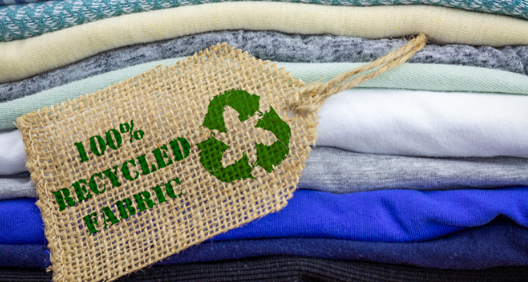
The modern textile industry is undergoing a massive paradigm shift, moving away from the linear “take-make-dispose” model toward a regenerative ecosystem. As consumers become acutely aware of the environmental devastation caused by fast fashion and synthetic microplastics, circular textiles have emerged as the definitive future of the industry.
The Second Life of Fabric: A True Story of Circular Textiles
Circular fashion