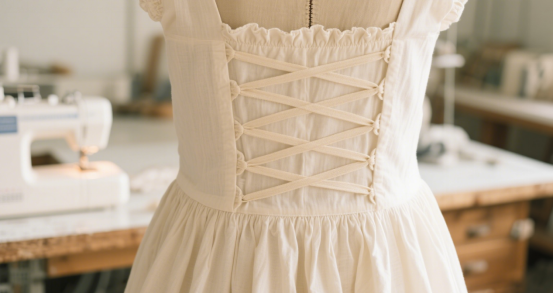
The strapless midi skirt is a cornerstone of summer fashion, embodying a sense of “gentleness” and effortless elegance. For many beginners, the prospect of creating a garment from scratch can feel daunting. However, the midi skirt is the perfect entry point into DIY fashion because of its geometric simplicity and forgiving silhouette. This guide transforms the basic concept of a strapless skirt into a professional-grade project, focusing on the underlying principles of garment construction that ensure your creation looks boutique-bought rather than homemade.
The Fundamentals of Sewing a Strapless Midi Skirt
Before cutting into your fabric, it is essential to understand the “Why” behind the design. A strapless midi skirt relies on tension and drape. Unlike a structured pencil skirt, the midi skirt uses the natural flow of the fabric to create movement. The “strapless” or high-waist elasticated design serves two purposes: comfort and versatility. By using an elasticated waistband, you eliminate the need for complex closures like zippers or hook-and-eyes, which are often the biggest hurdles for novice sewists.
The Importance of the Midi Length
The midi length typically falls between the knee and the mid-calf. This specific length is strategically chosen for its ability to flatter various body types while providing enough weight to the fabric to ensure it hangs correctly. When sewing for summer, this length offers protection from the sun while allowing for maximum airflow.

Essential Fabric Selection and Preparation
The success of your skirt depends heavily on your choice of material. For beginners, non-slip fabrics are highly recommended. Avoid silks or satins for your first project, as they tend to shift during the sewing process, leading to uneven seams.
| Fabric Type | Breathability | Sewing Difficulty | Best Use Case |
|---|---|---|---|
| Cotton Poplin | High | Low (Easy) | Structured, crisp summer looks. |
| Linen Blend | Very High | Medium | Rustic, breathable beachwear. |
| Rayon/Viscose | Medium | Medium | Flowy, elegant evening wear. |
Pre-Washing and Ironing
One of the most common mistakes beginners make is skipping the pre-wash. Natural fibers like cotton and linen will shrink. If you sew the skirt first and wash it later, the elastic may warp or the length may become too short. Always wash and iron your fabric before you begin your measurements.

Step-by-Step Construction for Absolute Beginners
Creating a strapless midi skirt involves three core stages: measuring, seaming, and casing. By breaking these down, the process becomes manageable even for those who have never touched a sewing machine.
1. Measuring for the Perfect Fit
To determine the width of your fabric, measure your widest point (usually the hips) and multiply by 1.5 or 2. This extra width creates the “gentle” gathers that give the skirt its volume. For the length, measure from your waist to your desired midi point, adding 3 inches for the waistband casing and the bottom hem.
2. Creating the Elastic Casing
The casing is the tunnel where your elastic will sit. Fold the top edge of your fabric down by 1/4 inch and iron it, then fold it again by 1.25 inches (or slightly wider than your elastic). Sew along the bottom edge of this fold, leaving a 2-inch gap to insert the elastic.
3. The Hemming Process
A professional hem is what separates DIY from professional garments. Use a “double-fold” hem: fold the bottom edge up by half an inch, iron, fold again, and sew. This hides the raw edges completely and prevents fraying.
Pro Tips for Expert Results
To elevate your skirt, consider these expert insights that go beyond basic instructions:
-
The Safety Pin Trick:
When threading your elastic through the casing, attach a large safety pin to the lead end. This makes it significantly easier to guide the elastic through the tunnel without losing the end. -
Stay-Stitching:
If you are using a very light fabric, sew a straight line 1/8 inch from the edge of your fabric before you start your main seams. This prevents the fabric from stretching out of shape. -
Thread Matching:
Always choose a thread that is one shade darker than your fabric. It blends in better than a lighter shade once stitched into the fibers.
Frequently Asked Questions (FAQ)
-
What type of elastic should I use for a strapless waist?
- For a strapless midi skirt, a “non-roll” elastic that is at least 1 inch wide is best. This ensures the waistband stays flat against your body and doesn’t twist during wear.
-
Can I make this skirt without a sewing machine?
- Yes, you can use a backstitch for the main seams and a whipstitch for the hem. However, it will take significantly longer. Ensure your hand stitches are small and consistent for durability.
-
How do I stop the skirt from being see-through?
- If you choose a light-colored fabric like white linen, you may need to add a lining. Alternatively, choose a higher “thread count” or “GSM” (grams per square meter) fabric to ensure opacity.
-
What if my hem is uneven?
- This often happens if the fabric is cut off-grain. To fix it, hang the skirt on a mannequin or a hanger for 24 hours to let the fabric “settle” before hemming. Then, measure from the floor up to ensure a level line.
-
How do I style a strapless midi skirt?
- For a summer look, pair it with a tucked-in tank top or a cropped blouse. Because the skirt has volume, a more fitted top helps balance the silhouette.