
An ironing board is often an overlooked household tool, yet it is the silent partner to your iron, crucial for achieving crisp, wrinkle-free clothes. A wobbly, undersized, or poorly padded board can turn a simple task into a frustrating ordeal, potentially even damaging your garments. Choosing the right ironing board is an investment in efficiency, garment care, and even your own comfort. This comprehensive guide will walk you through the different types of ironing boards available and the essential features to evaluate, ensuring you select the perfect model for your home, lifestyle, and ironing needs.
Whether you live in a spacious house with a dedicated laundry room or a compact apartment where every square inch counts, there is an ironing board designed for you. From traditional freestanding models to innovative space-saving solutions, understanding the pros and cons of each type is the first step toward making an informed decision.
Understanding the Main Types of Ironing Boards
The market offers a variety of ironing boards, each designed to meet different spatial and functional requirements. Your choice will largely depend on your available storage space, the volume of ironing you do, and your personal preferences. Here’s a detailed breakdown of the most common types.
Full-Size Freestanding Boards
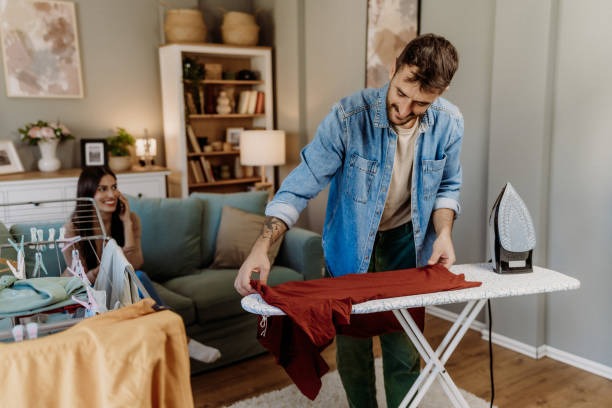
This is the most traditional and popular type of ironing board. These are standalone units, typically with foldable legs, designed for general-purpose ironing. They offer the largest surface area, making them ideal for tackling everything from large items like bedding and tablecloths to standard clothing like shirts and trousers. Their primary advantage is their stability and generous workspace.
- Pros: Excellent stability, large surface area for efficient ironing of all garment sizes, typically feature adjustable height settings for ergonomic comfort.
- Cons: Can be heavy and bulky, requiring significant storage space in a closet or laundry room.
- Best for: Homeowners with a dedicated laundry area or ample storage, and those who iron frequently or in large batches.
Tabletop Ironing Boards
As the name suggests, tabletop ironing boards are miniature, compact boards designed to be placed on a table, countertop, or even the floor. They are incredibly lightweight and feature short, foldable legs. Their main selling point is portability and minimal storage footprint, making them a favorite for those in small living spaces or for quick touch-up jobs.
- Pros: Extremely compact and lightweight, easy to store in a cupboard or under a bed, perfect for small apartments, dorm rooms, and occasional use.
- Cons: Small surface area makes ironing larger items difficult, less stable than full-size models, and height is dependent on the surface it’s placed on.
- Best for: Individuals with very limited space, students, crafters, or as a secondary board for quick tasks.
Wall-Mounted and In-Cabinet Boards
For the ultimate space-saving solution, wall-mounted or built-in ironing boards are unparalleled. These units are directly installed onto a wall or inside a cabinet or drawer. When not in use, they fold away neatly, becoming virtually invisible. This eliminates the need for any floor or closet space for storage. They are always ready for use with a simple pull-down or unfolding mechanism.
- Pros: The best option for saving space, always accessible and ready to use, keeps clutter to a minimum.
- Cons: Requires permanent installation which may not be suitable for renters, typically offers a smaller surface than full-size boards, and lacks portability.
- Best for: Small apartments, laundry rooms, or walk-in closets where maximizing floor space is a top priority.
Travel Ironing Boards
Designed for the road warrior, travel ironing boards are the most compact and lightweight option available. They are built for ultimate portability, often folding in half to fit inside a suitcase. While they offer a very small surface, they are invaluable for business travelers or anyone who needs to press a shirt or a pair of trousers in a hotel room to maintain a professional appearance on the go.
- Pros: Extremely portable and lightweight, fits easily in luggage.
- Cons: Very small ironing surface, suitable only for small items and quick touch-ups.
- Best for: Frequent travelers who need a reliable way to remove wrinkles from packed clothes.
Key Factors to Evaluate When Choosing an Ironing Board
Beyond the basic type, several key features determine the quality, durability, and user-friendliness of an ironing board. A high-quality board will be stable, comfortable to use, and contribute to better ironing results. Pay close attention to these six dimensions before making a purchase.
Stability and Frame Construction
A wobbly ironing board is not only inefficient but also a safety hazard. Stability is the most critical factor. Look for a board with a sturdy frame, typically made of steel. The leg design plays a significant role; four-leg designs tend to be more stable than T-leg designs. Additionally, check for non-slip feet caps, which prevent the board from sliding on smooth floors and protect your flooring from scratches.
Size and Ironing Surface Area
The size of the ironing surface dictates how quickly and easily you can press garments. A wider and longer board allows you to iron more fabric at once, reducing the need to constantly reposition items. Standard full-size boards are typically 15 inches wide and around 49 inches long. Wider boards (18 inches or more) are excellent for larger items like sheets and curtains. Consider the types of items you iron most frequently when selecting a size.
Adjustability and Ergonomics
Ironing should not be a back-breaking chore. An adjustable height mechanism is essential for maintaining proper posture and preventing strain. The ideal height allows you to stand straight with your arm slightly bent. Look for a board with multiple height settings and a secure, easy-to-use locking mechanism that prevents it from collapsing during use.
The Ironing Board Cover and Padding
The surface you iron on directly impacts your results. A good ironing board cover should be smooth, durable, and heat-reflective. Most high-quality covers are made from 100% cotton and may feature a special coating to reflect heat back into the garment, speeding up the ironing process. Beneath the cover, a thick layer of padding (typically foam or felt) is crucial. It provides a cushioned surface that prevents the metal mesh of the board from imprinting on your clothes.
Portability and Storage
Unless you have a permanent, wall-mounted board, you will need to move and store your ironing board. Consider the board’s weight. While a heavier board is often more stable, it can be difficult to carry and set up. Look for a balance between sturdiness and manageable weight. Also, ensure it has a reliable leg lock to keep the legs secured when folded for safe transport and storage.
Extra Features and Accessories
Many modern ironing boards come with convenient features that enhance the user experience. Common extras include:
- Iron Rest: A dedicated metal or silicone plate at the end of the board to safely rest your hot iron.
- Sleeve Attachment: A small, separate mini-board that slides onto the end for perfectly pressing sleeves and small, awkward areas.
- Hanging Rack: A bar or rack that extends from the board, providing a convenient place to hang freshly ironed clothes.

Making the Right Choice for Your Space and Needs
With a clear understanding of the types and key features, you can now match an ironing board to your specific situation. The “best” ironing board is the one that seamlessly integrates into your home and lifestyle.
For Large Homes and Frequent Ironing
If you have a dedicated laundry room and frequently iron large batches of clothing or household linens, a heavy-duty, full-size freestanding board is your best investment. Prioritize a wide surface area (18 inches or more) and a robust four-leg frame for maximum stability and efficiency. An integrated iron rest and hanging rack will further streamline your workflow.
For Small Apartments and Limited Space
In a compact living environment, storage is paramount. A wall-mounted ironing board is the ideal solution, as it consumes zero floor space. If permanent installation is not an option, a high-quality tabletop board is an excellent alternative. It can be easily stored in a closet or under a bed and is perfectly adequate for ironing a few shirts or pants at a time.
For Business Travelers and On-the-Go Needs
For those who live out of a suitcase, a dedicated travel ironing board is a must-have. Its ultra-compact, foldable design ensures it won’t take up valuable luggage space, providing a reliable tool for keeping your attire sharp and professional, no matter where you are.
Upgrading Your Ironing Experience
Even the best ironing boards wear out over time. Recognizing the signs of a failing board can save you from frustration and poor results. Sometimes, a simple upgrade to a component is all that’s needed to breathe new life into your ironing setup.
When to Replace Your Ironing Board
It’s time for a new ironing board if you notice any of these issues:
- Persistent Wobbling: If the legs are bent or the joints are loose and cannot be tightened, the board has become a safety risk.
- Broken Mechanisms: A faulty height adjustment or leg lock can cause the board to collapse unexpectedly.
- Rust or Damage: A rusted or bent frame compromises the board’s integrity and can stain your clothes.
- Uneven Surface: A warped or dented surface will make it impossible to achieve a smooth finish on your garments.
The Impact of a Quality Cover
Before replacing the entire board, inspect the cover and padding. If the frame is still in good condition, simply replacing a worn-out cover can make a world of difference. A scorched, thin, or loose-fitting cover can hinder heat transfer and leave marks on clothing. Upgrading to a thick, high-quality, heat-reflective cover will improve your ironing efficiency and provide a better finish, making your old board feel new again.
Frequently Asked Questions (FAQ)
- What is the best material for an ironing board cover?
- The best material for an ironing board cover is 100% cotton, often treated with a silicone or metallic coating. Cotton is durable and can withstand high heat, while the reflective coating helps to bounce heat back into the fabric, effectively ironing both sides at once and speeding up the process. A thick felt or foam padding underneath the cover is equally important for a smooth, cushioned surface.
- How do I choose the right height for my ironing board?
- The correct ergonomic height for your ironing board should be at your hip level. When standing straight, you should be able to hold the iron and glide it across the board without bending your back or hunching your shoulders. Most adjustable boards offer a range of settings, so you can lock it into the position that feels most comfortable for you.
- Are wider ironing boards really better?
- Wider ironing boards (e.g., 18 inches vs. the standard 15 inches) can be significantly better, especially if you frequently iron large items like trousers, dresses, or bedding. The larger surface area means you can iron more of the item in a single pass, which reduces the time and effort required. However, they are also bulkier and require more storage space, so it’s a trade-off between efficiency and convenience.
- Can I use a steam generator iron with any ironing board?
- While you can use a steam generator iron with most ironing boards, it’s best to use one designed for it. Steam generators produce a large volume of steam, so the board should have a mesh or perforated top to allow the steam to pass through and evaporate, preventing moisture buildup. Additionally, look for a board with a large, sturdy iron rest specifically built to hold the heavier steam generator unit safely.
- What is the main difference between a wall-mounted and a floor-mounted ironing board?
- The primary difference is their approach to storage and portability. A floor-mounted (freestanding) board is portable and can be used in any room, but it requires dedicated closet or floor space for storage. A wall-mounted board is a permanent fixture that folds away, consuming no floor space. It offers ultimate convenience for small spaces but cannot be moved and requires installation.