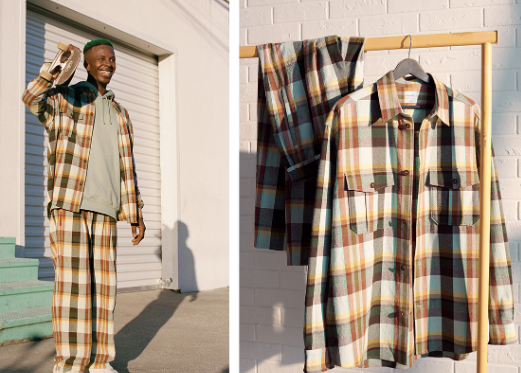
The Evolution of Classic Fabric Craftsmanship
The foundation of any enduring garment lies in the integrity of its raw materials. Throughout history, fashion houses have distinguished themselves not merely through silhouettes, but through the rigorous selection of fibers. From the refined weaves of H&M’s classic collections to the heritage-driven textiles of luxury houses, fabric represents the primary interface between the wearer and the environment.
Understanding Fiber Integrity
Quality in textiles is determined by the length of the staple, the method of spinning, and the density of the weave. High-end brands focus on sourcing materials that offer superior breathability, drape, and longevity.
- Natural vs. Synthetic: Natural fibers like cotton and wool offer moisture-wicking properties, whereas advanced synthetics are engineered for specific performance metrics.
- Weaving Techniques: The tension and pattern of the loom significantly impact the final texture and durability of the fabric.

Sustainable Innovation in Modern Textiles
In the contemporary landscape, fabric choice is no longer just about aesthetics; it is a profound statement on environmental ethics. Patagonia serves as a benchmark for this shift, prioritizing organic cotton and recycled materials to minimize the ecological footprint of apparel production.
The Patagonia Organic Cotton Model
Patagonia’s commitment to organic farming practices eliminates the use of toxic pesticides and synthetic fertilizers, which protects the soil health and the well-being of farming communities. Their lifestyle proposal encourages consumers to prioritize longevity over fast-fashion cycles.
| Feature | Conventional Cotton | Organic Cotton |
|---|---|---|
| Water Usage | High | Lower (Rain-fed) |
| Chemicals | Heavy Pesticides | None |
| Soil Health | Degradation | Regenerative |

Burberry and the Iconic Textile Legacy
Burberry has successfully transcended the traditional definition of a fashion brand by turning fabric into a cultural icon. The brand’s mastery over gabardine—a tightly woven, weather-resistant fabric invented by Thomas Burberry—revolutionized functional luxury.
Decoding the Gabardine Mechanism
The genius of gabardine lies in its unique construction. By waterproofing the yarn before weaving, Burberry created a fabric that is both breathable and resistant to the elements. This technical prowess allowed the brand to cement its place in both military history and high-fashion runways.
- Durability: The tight weave prevents snagging and wear-and-tear.
- Iconography: The signature plaid pattern is inextricably linked to the high-quality wool and cotton blends that define their trench coats.

Choosing Quality Over Quantity
To build a sustainable wardrobe, one must understand how to identify high-quality textiles. Whether it is a premium staple piece from a high-street giant or a luxury investment item, the principles of fabric selection remain constant.
Practical Tips for Fabric Assessment
Consumers should look for fabric weight, finish, and the consistency of the weave. A high-quality fabric will feel substantial and hold its shape over time, resisting pilling and stretching.
Frequently Asked Questions (FAQ)
- Q1: Why is organic cotton considered superior to conventional cotton?
- Organic cotton is grown without harmful chemicals, resulting in higher soil health and a significantly lower environmental impact. It is also often softer and more durable due to less chemical processing during the manufacturing stage.
- Q2: What makes Burberry’s gabardine fabric unique?
- Gabardine is a tightly woven, weather-resistant fabric. Burberry’s innovation was to waterproof the yarns before weaving, ensuring the final garment remains breathable while offering excellent protection against rain and wind.
- Q3: How can I tell if a fabric will last long?
- Check the density of the weave by holding it up to the light. Look for natural fibers, which generally age better, and examine the seams to ensure the fabric has been constructed with structural integrity in mind.
- Q4: Does brand name always equate to fabric quality?
- Not necessarily. While luxury brands often invest in superior raw materials, it is essential to check the garment label for fiber composition (e.g., 100% cotton vs. polyester blends) to verify the actual value of the textile.