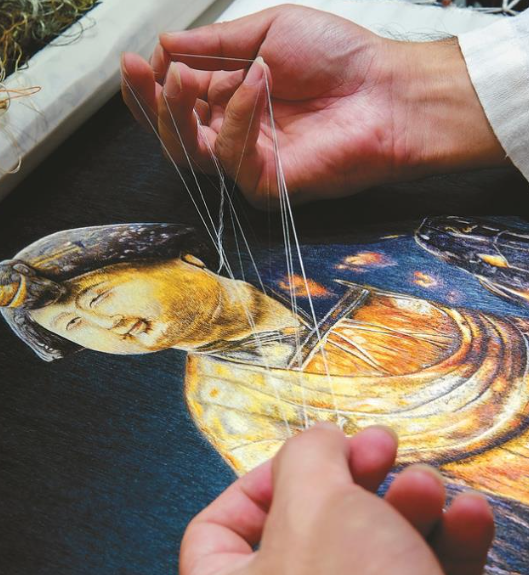
The Artistic Essence of Suzhou Embroidery
Suzhou embroidery, often referred to as Su embroidery, represents the pinnacle of Chinese needlework. It is not merely a craft but a sophisticated synthesis of painting and poetry. Rooted in the rich cultural soil of the Yangtze River Delta, this art form utilizes fine silk threads and intricate stitching techniques to create hyper-realistic depictions of nature, calligraphy, and human emotion.
Technical Mastery and Visual Poetry
The core of Suzhou embroidery lies in its “painting with needles” philosophy. Artisans employ a vast spectrum of colored silk threads to achieve subtle gradations, mimicking the brushstrokes of traditional Chinese ink paintings. The technique requires immense patience, often taking months to complete a single piece.
- Split-Thread Technique: The ability to split a single silk filament into dozens of microscopic strands, allowing for unparalleled detail and color blending.
- Double-Sided Embroidery: A hallmark of the craft where the image appears identical on both sides of the fabric, often with different colors or imagery, showcasing absolute technical perfection.

The Industrial Evolution of Okayama Denim
Transitioning from the delicate silk of the East to the rugged durability of Japanese denim, Okayama serves as the global epicenter of denim craftsmanship. The region transitioned from traditional weaving techniques to becoming the world’s most respected denim hub, characterized by an obsessive attention to detail and traditional dyeing methods.
The Okayama Philosophy
Okayama denim is defined by its adherence to vintage shuttle looms. Unlike modern high-speed looms, these antique machines produce fabric with unique irregularities, or “slubs,” that give the denim a distinct character that evolves over time through wear and fading.
| Feature | Modern Denim | Okayama Denim |
|---|---|---|
| Loom Type | Projectile/Air-jet | Vintage Shuttle |
| Production Speed | High | Slow/Limited |
| Fabric Texture | Uniform | Textured/Slubby |

The Legacy of Cone Mills and American Denim
The history of denim is incomplete without the narrative of Cone Mills. For over a century, the White Oak plant in North Carolina was the heartbeat of American denim production. It provided the raw material that defined the cultural aesthetic of the 20th century, from workwear to high-fashion denim.
The Rise and Impact of the White Oak Plant
Cone Mills became synonymous with quality, specifically their “selvedge” denim produced on Draper X3 looms. The partnership between Cone Mills and brands like Levi’s solidified the status of American denim as a global standard for durability and authenticity.
- Cultural Significance: The denim produced at White Oak was not just textile; it was the uniform of the American industrial workforce and, subsequently, the symbol of youth rebellion and global fashion.
- The End of an Era: The closure of the White Oak plant in 2017 marked a pivotal shift in the textile industry, highlighting the fragility of traditional manufacturing in an age of fast fashion.

Cross-Cultural Threads: Bridging Tradition and Modernity
Whether it is the refined silk embroidery of Suzhou or the rugged denim of Okayama and North Carolina, the common thread is the human element—the artisan’s touch that machines cannot replicate. The preservation of these crafts is essential for maintaining cultural identity in an increasingly digital and automated world.
Future Outlook for Artisanal Textiles
As consumers lean back toward “slow fashion” and heritage goods, these traditional methods are seeing a resurgence. The integration of modern design with ancient techniques ensures that these legacies continue to influence contemporary aesthetics.
Frequently Asked Questions (FAQ)
- Q1: What makes Suzhou embroidery different from other types of needlework?
- Suzhou embroidery is distinguished by its extreme refinement, use of split-thread techniques, and the ability to create double-sided imagery, effectively mimicking the aesthetic depth of traditional ink paintings.
- Q2: Why is Okayama denim considered the best in the world?
- Okayama denim is highly valued for its use of vintage shuttle looms, which produce fabric with unique textures (slubs) and its commitment to traditional, labor-intensive indigo dyeing processes.
- Q3: What was the significance of Cone Mills’ White Oak plant?
- The White Oak plant was the final major producer of American-made selvedge denim. Its closure represented the end of a century-long tradition that defined the global standard for denim quality and workwear durability.
- Q4: How do traditional crafts survive in a fast-fashion market?
- Traditional crafts survive by positioning themselves as luxury or heritage products. They appeal to a market segment that prioritizes quality, provenance, and the story behind the manufacturing process over mass-produced, disposable goods.