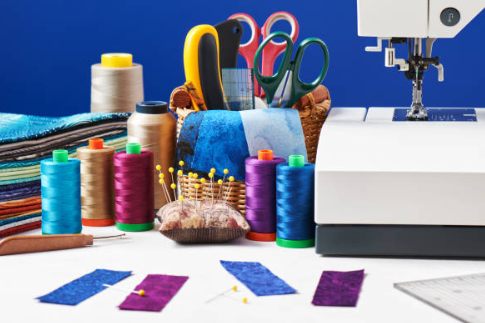
Strategic Sourcing: Buying Quality Sewing Materials
Building a successful sewing practice begins with the materials you choose. Quality is not merely about price; it is about understanding fiber content, weave density, and the specific requirements of your project.
Understanding Fabric Quality
Before purchasing, always perform a hand-feel test. High-quality natural fibers like linen and cotton should feel substantial. When buying online, look for GSM (grams per square meter) to determine weight. Avoid synthetic blends that pill easily or lack breathability.
Essential Notions Checklist
- High-quality polyester or cotton-wrapped polyester threads (avoid cheap, brittle options).
- Universal, ballpoint, and denim needles in various sizes.
- Sharp fabric shears (dedicated only to fabric, never paper).
- Magnetic pincushions and high-quality pins.

Professional Storage and Preservation Techniques
Improper storage is the silent killer of sewing materials. Humidity, UV light, and dust can degrade fabrics and cause metallic notions to corrode. Implementing a professional system ensures your materials remain ready for use.
Optimal Environmental Conditions
Store all fabrics in a cool, dark, and dry environment. Sunlight is particularly damaging, as it causes uneven fading and weakens natural fibers over time. Use acid-free bins or wooden shelves to prevent chemical reactions with your textiles.
Organizing Small Notions
Small items like bobbins, buttons, and snaps require granular organization. Use clear acrylic drawer units or labeled containers. Grouping by color or function (e.g., all zipper types in one bin) reduces project frustration.
| Storage Item | Best Practice |
|---|---|
| Fabrics | Fold neatly or roll on acid-free boards. |
| Threads | Keep in dust-proof containers away from heat. |
| Needles | Store in original packaging to track sizes. |
| Patterns | Hang or store in clear plastic sleeves. |

Expert Advice: Maximizing Your Sewing Workspace
Efficiency in sewing is directly tied to the accessibility of your tools. A “clutter-free” mindset is essential for maintaining creativity.
Pro Tips for the Modern Seamstress
- Label Everything: Even if you think you will remember the fabric content, attach a small tag with the fiber type and care instructions.
- The “First-In, First-Out” Rule: When restocking threads or stabilizers, place newer items behind older ones to ensure you use up your older inventory first.
- Inventory Tracking: Keep a digital or physical log of your fabric stash to avoid duplicate purchases.
Frequently Asked Questions (FAQ)
- How do I prevent my fabric from fraying while in storage?
- Serge the raw edges of your fabric yardage before putting it into storage to minimize fraying and thread waste.
- Is it okay to store fabric in plastic bins?
- Plastic bins are fine for short-term storage, but ensure they are acid-free. For long-term storage, avoid airtight plastic as it can trap moisture and lead to mildew; use breathable cotton bags instead.
- What is the best way to organize sewing thread by color?
- Use a thread rack or a dedicated drawer with dividers. Arranging by a color spectrum (ROYGBIV) makes it easier to match threads to your fabric projects visually.
- How often should I replace my sewing needles?
- A needle should be changed after every 8-10 hours of sewing or at the start of every new project to ensure smooth fabric penetration and prevent skipped stitches.