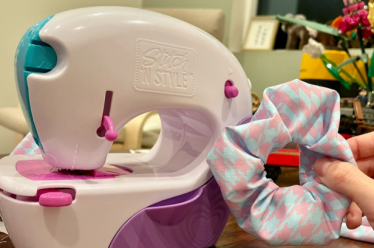
Every time I see a handcraft master using a sewing machine to create exquisite works, I feel itchy in my heart. However, traditional sewing machines are complicated to operate and expensive. The emergence of toy sewing machines is simply a blessing. It is small and portable, easy to operate, and very suitable for children to start handcraft enlightenment or adults to use their creativity in their spare time. However, many people will be a little overwhelmed when they first get a toy sewing machine. Don’t worry, as long as you master the correct usage skills, you can use it for you to create all kinds of interesting small objects. Next, I will share the usage skills of toy sewing machines in detail.
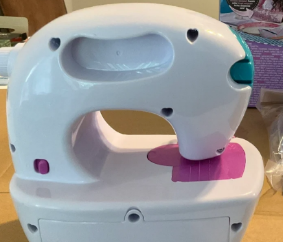
What do I need to prepare?
Read the instructions carefully
Each toy sewing machine has its own unique design and operating points. Be sure to read the included instructions carefully before use.
Choose the right line
Choose your thread based on the item and fabric you are sewing. If you are sewing light cotton or silk, use a thinner cotton or silk thread, which will pass through the needle hole smoothly and create a delicate stitch.
Choose the right fabric
Toy sewing machines have relatively low power and are suitable for sewing thin to medium-thick fabrics. Common cotton and linen fabrics are good choices, easy to operate, and can help you get started quickly. Avoid using fabrics that are too thick, too hard (such as thick leather) or too elastic (such as high-elastic spandex fabrics), as these fabrics may make the machine difficult to operate or even damage the machine. If you are not sure whether the fabric is suitable, you can cut a small piece to test sew first.
Common Problems and Solutions
1. Disconnection
The reasons may be poor thread quality, excessive thread tension, blunt or bent needles, or too hard fabric. The solution is to replace the thread with a better quality one; appropriately reduce the thread tension; check the needle and replace it if there is a problem; if the fabric is too hard, try putting a thin lining cloth under the fabric to assist sewing.
2. Jumper wires
It may be that the needle and thread do not match (such as the needle is too thick and the thread is too thin), the thread does not pass through the various components correctly, the bobbin is not installed properly, etc. You can choose a suitable needle according to the conditions of the fabric and thread; recheck and thread the thread correctly; reinstall the bobbin to ensure that it is in the correct position and rotates smoothly.
Maintenance and care
1. Cleaning
After each use, use a clean soft brush or a small brush to clean the thread ends and dust on the surface of the sewing machine to prevent them from accumulating and affecting the operation of the machine. For the inside of the bobbin case, you can also use a small brush to gently clean it. Be careful not to wipe it with a wet cloth to prevent moisture from entering the machine and causing rust.
2. Storage
When the toy sewing machine is not used for a long time, place it in a dry, ventilated place, away from direct sunlight and humid environment. You can cover the machine with a dust cover or a clean cloth to prevent dust from falling in. At the same time, organize the matching tools and spare parts and store them together for easy use next time.
Once you master the skills of using these toy sewing machines, you can easily start your handmade creation journey. Whether it is making a simple handkerchief, a small cloth bag, or mending and decorating clothes, it can help you achieve it. During the use process, try boldly, unleash your creativity, and enjoy the fun of handmade.