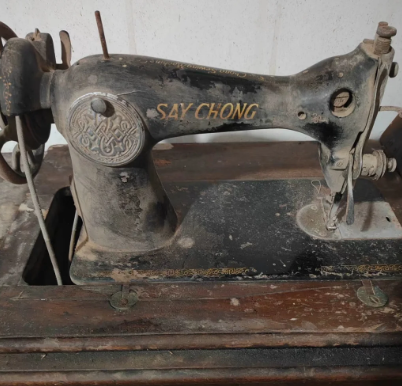
When looking through old photos, you can always see the dark green sewing machine in the corner of the house. In the era of relative scarcity, sewing machines were the “treasures” of many families, responsible for making and repairing clothes. However, in modern families today, sewing machines that were once common are hard to find. From a must-have in every household to gradually fading out of sight, the change behind it is not accidental. Next, we will analyze the reasons for the change in the household penetration rate of sewing machines from multiple perspectives such as social economy, consumption patterns, and technological innovation.
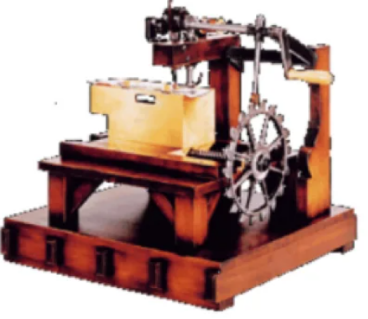
Why were sewing machines so popular in the past?
Postwar economic prosperity and home craft culture
From the 1940s to the 1970s, a basic electric sewing machine cost about $80 (equivalent to two weeks’ wages for an average worker at the time), but homemade clothing could significantly reduce household expenses. For example, the cost of purchasing fabric and sewing it yourself for a women’s dress is about 40% less than buying ready-made clothes. At the same time, the popular homemaking culture at the time encouraged women to show their creativity through sewing, and magazines such as Better Homes & Gardens regularly published sewing tutorials, pushing sewing machines to become a must-have for families.
Installment payment model under the wave of consumerism
In the 1950s, Singer launched a “pay later” plan, where consumers could take home a sewing machine with a down payment of $20 and then pay $10 per month. This model increased the penetration rate of sewing machines from 35% in 1940 to 68% in 1960. At the same time, sewing machines were often included in the dowry list of newlyweds and became a symbol of family assets.
Reasons for the decline in the use of sewing machines in modern households
The impact of globalization on the garment manufacturing industry
After the 1980s, the outsourcing of the US clothing manufacturing industry accelerated. After the North American Free Trade Agreement (NAFTA) came into effect in 1994, a large number of clothing production lines were transferred to Mexico, China and other places, and the price of ready-made clothes dropped significantly due to cheap labor. Fast fashion brands such as H&M and ZARA entered the US market, and trendy items could be purchased for $20. At the same time, large retailers such as Walmart lowered prices through large-scale procurement, and the cost advantage of homemade clothing completely disappeared.
Changes in living space and lifestyle
The average area of a single-family home in the 1950s was 100 square meters, with basements or attics used as sewing spaces; today, the average area of a new home has increased to 240 square meters, but the functional divisions are more clearly defined, with open kitchens, home theaters, etc. taking up more space. At the same time, the proportion of dual-income families has increased from 40% in 1970 to 70% in 2020. People are more willing to spend their leisure time on social activities, fitness, etc., and the time cost of hand sewing is too high.
In the future, as the concept of sustainable fashion becomes more popular, DIY sewing may return in a new form. Some environmental organizations have launched the “Clothing Repair Challenge” to encourage consumers to extend the life of clothing through sewing; some brands have also launched “sewing subscription boxes” that provide pre-cut fabrics and tutorials, which may re-attract the younger generation’s interest in sewing machines.