Skipping the pre-shrinking phase is one of the most common mistakes made by beginner and intermediate sewists alike. You spend hours meticulously cutting, pinning, and stitching a garment to perfection, only to have it shrink two sizes or twist at the seams after its first encounter with a washing machine. Pre-shrinking, also known as pre-treating, is the process of subjecting your fabric to the same laundering conditions it will face once it becomes a finished garment. This guide explores the “why” and “how” of this essential preparation step, ensuring your hard work stands the test of time.
The Science and Necessity of Fabric Shrinkage
Understanding why fabrics shrink is the first step toward mastering garment longevity. Most shrinkage occurs due to the release of tension applied to fibers during the manufacturing process. When fibers like cotton, linen, or wool are spun into yarn and woven into cloth, they are stretched and held under significant mechanical stress.
Mechanical vs. Thermal Shrinkage
Mechanical shrinkage happens when water and agitation allow these stretched fibers to relax back to their original, shorter state. Thermal shrinkage, on the other hand, occurs when heat (from a dryer or iron) causes synthetic fibers or certain animal hairs to contract. If you do not allow this contraction to happen before you cut your pattern pieces, the fabric will inevitably contract later, resulting in a garment that is too small, distorted, or suffers from “puckered” seams where the thread (which may not shrink) pulls against the shortened fabric.
| Fabric Category | Shrinkage Potential | Primary Cause |
|---|---|---|
| Natural Plant Fibers (Cotton, Linen) | High (5-10%) | Fiber relaxation and moisture absorption. |
| Animal Fibers (Wool, Silk) | Moderate to High | Heat and agitation (Felting risk). |
| Synthetics (Polyester, Nylon) | Low (1-2%) | High heat exposure only. |
| Rayon/Viscose | Very High | Extreme sensitivity to water and tension. |

Step-by-Step Pre-Shrinking Methods by Fabric Type
The golden rule of pre-shrinking is simple: treat the fabric exactly how you plan to treat the finished garment. However, different materials require specific handling to prevent damage during the pre-treatment phase.
Cotton and Linen (Washable Naturals)
For standard cottons, denims, and linens, use the warmest water setting you intend to use for the finished item. To prevent the raw edges from fraying into a “thread nest” in the machine, it is highly recommended to zigzag stitch or serge the cut ends of the fabric before washing. Alternatively, you can pink the edges with pinking shears.
Wool and Delicate Animal Fibers
Wool is notorious for “felting” if subjected to heat and agitation simultaneously. To pre-shrink wool safely, use the “London Shrunk” method or a steam-only approach. Lay the wool flat on a surface and hover a high-heat steam iron an inch above the surface, allowing the steam to penetrate the fibers without the weight of the iron crushing them. For washable wools, use a dedicated wool cycle with cold water and lay flat to dry.
Silks and Rayons
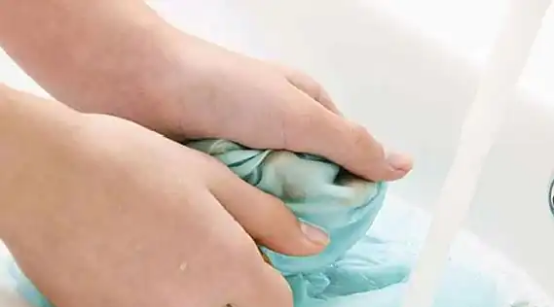
Rayon is particularly unstable and can shrink significantly even in cold water. It is often best to hand-wash rayon in a basin, gently squeeze out the water (never wring), and hang to dry. For silks, if you plan to dry clean the finished garment, you can often skip the wash and simply use a press cloth and a dry iron to “set” the fabric.

Expert Advice for Professional Results
To elevate your sewing from “homemade” to “handmade professional,” follow these advanced pre-treatment protocols used by couture studios and high-end tailors.
- The Grainline Check: After washing and drying, always check that your fabric is still “in square.” If the crosswise threads are not at a perfect 90-degree angle to the selvage, gently pull the fabric on the bias to realign the grain before cutting.
- Interfacing Pre-Shrink: Many sewists forget that iron-on interfacing can also shrink. To prevent the “bubbling” effect on collars and cuffs, soak your interfacing in a bowl of lukewarm water for 10 minutes and let it air dry before use.
- Color Bleed Prevention: During the pre-wash, add a “color catcher” sheet or a tablespoon of salt to the water for vibrant fabrics (like reds and purples) to lock in the dye and prevent future bleeding.
- The “Drying” Factor: If you plan to use a tumble dryer for your clothes, you MUST tumble dry the fabric during pre-shrinking. The mechanical action of the dryer is often responsible for more shrinkage than the water temperature itself.

Frequently Asked Questions (FAQ)
- Do I need to pre-shrink 100% polyester fabric?
- While synthetic fibers like polyester do not shrink in water, they can react to the heat of an iron. It is still recommended to give them a quick wash or a thorough steaming to ensure any factory finishes (chemicals) are removed and any minor heat-contraction occurs before cutting.
- What happens if I forget to pre-shrink and have already cut the fabric?
- If you have already cut the pieces, you are in a difficult position. You can try to steam the individual pieces heavily with an iron without moving the iron across the fabric (to avoid stretching), but there is a high risk the pieces will no longer match your pattern templates.
- Should I pre-shrink trims, zippers, and ribbons?
- Yes. Cotton zippers and natural fiber ribbons/trims can shrink at different rates than your main fabric. Soak them in hot water and let them air dry to ensure they don’t cause “puckering” along your seam lines later.
- Can I just use a steam iron instead of washing the fabric?
- For fabrics that will only ever be dry-cleaned, a heavy steam press is sufficient. However, for any garment that will be submerged in water during its lifetime, a full wash is the only way to guarantee the fibers have fully relaxed.
- Does “Pre-Washed” fabric from the store need to be washed again?
- Generally, yes. Even if a bolt says “pre-shrunk,” the fabric has often been stored under tension on the roll for months. A quick cycle at home ensures the fibers are truly relaxed and clean from warehouse dust.