Essential Hand Sewing Fundamentals
Hand sewing is a foundational skill that offers precision and portability, allowing crafters to create bespoke items without the need for bulky machinery. Whether you are repairing a garment or constructing an accessory from scratch, understanding the mechanics of needle and thread is paramount.
The Importance of Proper Tool Selection
Success in hand sewing begins with selecting the right materials. A standard sewing kit should include high-quality needles, durable thread, and sharp fabric shears.
- Needle Selection: Choose needles based on the weight of your fabric; finer needles for delicate silks and thicker, sturdier needles for canvas or denim.
- Thread Tension: Maintaining consistent tension is the secret to a professional finish. Avoid pulling too tightly, which can pucker the fabric, or too loosely, which leaves visible gaps.

Mastering Common Hand Sewing Stitches
Every hand-sewn project relies on a repertoire of stitches. Mastering these allows for structural integrity and decorative flair in your fabric projects.
The Back Stitch: The Strength Standard
The back stitch is arguably the most important stitch for seams that require durability. It mimics the look of a machine-sewn lockstitch and is incredibly strong.
- Step 1: Bring the needle up through the fabric at the starting point.
- Step 2: Move the needle backward, inserting it a short distance behind where the thread emerged, then bring it forward again, exiting in front of the previous stitch.
- Step 3: Repeat this process, ensuring each stitch meets the end of the previous one for a continuous line.
Running Stitch and Whip Stitch
Beyond the back stitch, the running stitch is perfect for basting or gathering, while the whip stitch is ideal for joining edges together or preventing fraying.

Step-by-Step: Constructing a Simple Handbag
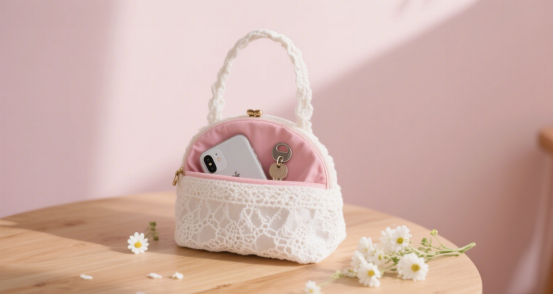
Creating a handbag by hand is a rewarding project that combines utility with personal style. By following a structured approach, you can transform flat fabric into a functional 3D object.
Preparing the Fabric Patterns
Before you begin sewing, you must measure and cut your fabric panels. A standard handbag requires two main body panels and two strap pieces. Ensure you leave a seam allowance of at least half an inch to prevent the edges from pulling apart.
Assembly and Finishing Touches
Once the pieces are cut, pin them together with right sides facing inward. Use the back stitch along the side and bottom seams to ensure the bag can hold the weight of personal items. Once the body is secure, fold the top edge over to create a clean hem and attach your straps securely using a reinforced cross-stitch pattern.

Advanced Finishing Techniques
To elevate your hand-sewn projects from amateur to professional, focus on the details of your finishing work. This includes securing thread ends properly and pressing seams.
Securing Your Work
Always tie off your thread on the interior (the wrong side) of the fabric. A double knot combined with a few tiny stitches in the same spot ensures that the seam will not unravel over time.
Pressing for Perfection
Using an iron to press your seams open or to one side after sewing significantly improves the aesthetic quality of your handbag. This simple step removes bulk and creates sharp, clean lines that define high-quality craftsmanship.
Frequently Asked Questions (FAQ)
- Q1: Is hand sewing stronger than machine sewing?
- While machine sewing is faster, a properly executed back stitch by hand is extremely durable and often more flexible, making it ideal for specific garment repairs and custom accessory construction.
- Q2: How do I prevent my thread from tangling?
- Keep your thread length manageable—no longer than 18 to 24 inches. Running your thread through a bit of beeswax can also help prevent knots and fraying during the sewing process.
- Q3: Which needle size is best for beginners?
- A size 7 or 8 sharp needle is generally the most versatile for a wide range of medium-weight cotton fabrics, making it an excellent starting point for new sewers.
- Q4: Can I wash hand-sewn handbags?
- Yes, provided you have used high-quality thread and ensured all knots are secure. It is recommended to hand wash or use a gentle cycle if the fabric type allows.