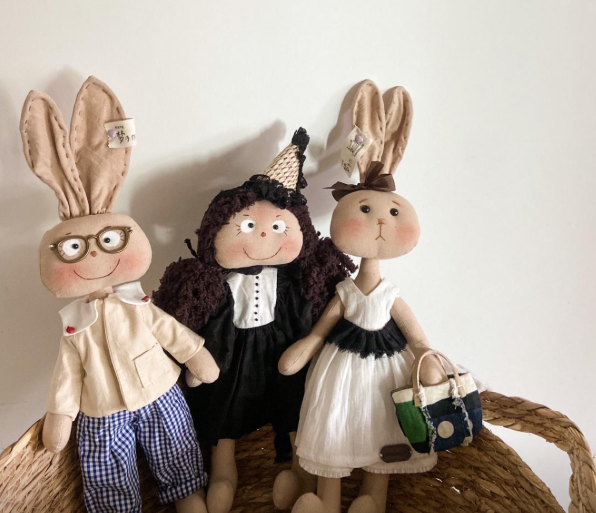
The Art and Fantasy of Handmade Cloth Dolls
Handmade cloth dolls represent more than just toys; they are tangible expressions of creativity and heritage. Unlike mass-produced plastic alternatives, fabric dolls possess a soul, crafted through patience and deliberate needlework. The process of bringing a rag doll to life involves selecting textiles that evoke nostalgia, such as soft cottons, linens, and vintage-inspired wools.
Materials and Design Philosophy
To begin your journey into doll-making, one must understand the interaction between fabric texture and structural integrity. High-quality stuffing, such as carded wool or hypoallergenic polyester fiberfill, is essential for achieving the right density.
- Fabric Selection: Use tightly woven cotton for the body to prevent stuffing from poking through.
- Facial Features: Embroidered features provide a timeless, safe look for children, avoiding the hazards of plastic buttons.
- Artistic Detailing: Consider using yarn for hair, allowing for intricate styling and a tactile, soft aesthetic.

Practical Guide: Creating Cotton Baby Bibs Without a Machine
Practicality meets creativity in the production of handmade baby bibs. Many aspiring crafters believe that high-quality baby gear requires industrial sewing equipment, but the truth is that traditional hand-stitching offers superior control and a more personal touch. By utilizing hand-sewing techniques like the backstitch or whipstitch, you can create durable, absorbent bibs that withstand the rigors of daily use.
Essential Components for No-Sew and Hand-Sew Projects
When crafting for infants, safety and material quality are non-negotiable. You must prioritize natural, breathable fabrics that are gentle on delicate skin.
| Material | Function | Recommended Type |
|---|---|---|
| Outer Layer | Aesthetics & Spill Shield | Organic Cotton/Flannel |
| Inner Layer | Absorbency | Bamboo Terry/Cotton Fleece |
| Fasteners | Closure | Snap Buttons/Velcro/Ties |

Step-by-Step Execution of Hand-Stitching Techniques
Mastering the basic stitches is the foundation of any successful needlework project. Whether you are finishing the hem of a bib or attaching a doll’s limb, the consistency of your stitch length determines the durability of the final product.
Executing the Perfect Hem
A clean hem is the hallmark of a professional-looking project. For baby bibs, a rolled hem secured with a blind stitch ensures there are no raw edges that could fray or irritate a baby’s neck.
- Preparation: Iron your fabric folds before stitching to ensure the layers remain aligned.
- Stitching: Use a matching thread color to camouflage your work, or a contrasting color to highlight your craftsmanship.

Advanced Customization for Handmade Gifts
Once the basics are mastered, the real fun begins with customization. Adding personal details transforms a standard item into a cherished keepsake. For dolls, this might mean creating miniature outfits or embroidered accessories. For bibs, it could involve fabric paint or appliqués that reflect the baby’s personality or the season.
Strategies for Professional Finishing
The difference between a “home-made” look and a “hand-crafted” look often comes down to the finishing touches. Pressing your work with a steam iron at every stage of the process is the most effective way to ensure smooth seams and professional presentation.
Frequently Asked Questions (FAQ)
- Q1: Do I really need a sewing machine for these projects?
- No. While machines are faster for long seams, hand-sewing provides superior control and a classic, artisanal aesthetic that is often preferred for boutique-style baby bibs and heirloom dolls.
- Q2: What is the best fabric for baby bibs?
- Organic cotton is the gold standard. It is hypoallergenic, breathable, and highly absorbent. Pairing it with a bamboo terry backing increases the absorbency significantly.
- Q3: How do I ensure my handmade dolls are safe for infants?
- Avoid small parts like plastic buttons or beads that could become choking hazards. Opt for embroidered eyes and securely stitched limbs using high-quality, reinforced thread.
- Q4: How do I keep my hand-sewn seams durable?
- Use a backstitch for structural seams. It is significantly stronger than a running stitch and mimics the locking action of a sewing machine, ensuring your project stays together through multiple wash cycles.